

Vol. 24 No. 2
- 21Articles
- 1Editorial
- 4Review
- 1Comment
- 15Research article
 Issue highlight
Advances in nanotechnology-enabled drug delivery for combining PARP inhibitors and immunotherapy in advanced ovarian cancer
Editorial
1 article-
Scientometrics and academia
The social significance and quality of every human activity are proportional to its usefulness to the social community. Science belongs to the very top of the processes and events in the history of humankind that strongly influenced the development of society, which over time transformed it and contributed to the common good. Science produced new knowledge that made it possible for billions of people to rise out of poverty, develop industrialization and mass communication, eradicate many dangerous diseases for humankind, and enable humans to leave their footprints on the moon. Science is a human activity that produces new knowledge presented through innovations, patents, and publications, aimed at solving the problems facing humanity.
Read more in the PDF.

Review
4 articles-
Stem cell therapy for degenerative disc disease: Bridging the gap between preclinical promise and clinical potential
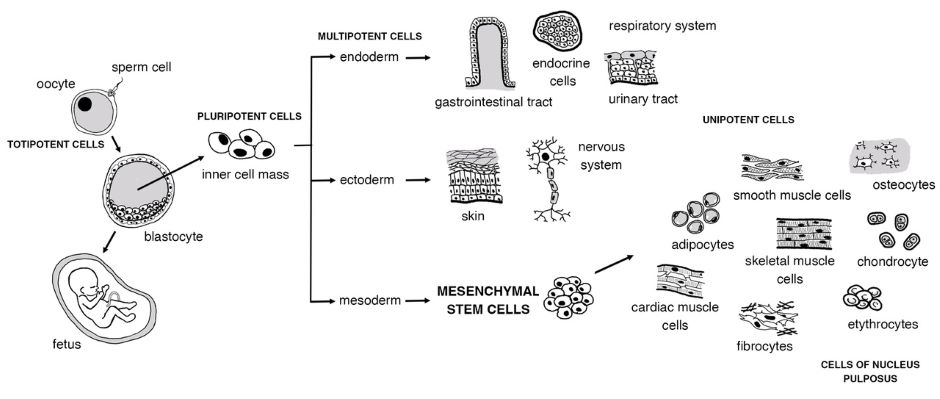
Stem cell therapy has gained attention in the field of regenerative medicine due to its potential to restore damaged tissue. This article focuses on the application of stem cell therapy for treating spinal pathologies, particularly intervertebral disc degeneration. Disc degeneration is a major cause of low back pain and is characterized by changes in the matrix and inflammation. Animal studies have demonstrated that the implantation of mesenchymal stem cells (MSCs) yields promising results, including increased disc height, improved hydration, and reduced inflammation. However, the number of clinical trials remains limited, necessitating further research to optimize MSCs therapy. Although preclinical studies offer valuable insights, caution is needed when extrapolating these findings to clinical practice. Stem cell therapy still faces multiple challenges, such as the durability and survival of MSCs upon implantation, uncertain pathways to discogenic differentiation, and the adverse impact of a harsh microenvironment on cell survival. The avascular nature of the intervertebral disc and dynamic loading conditions also affect the adaptation of transplanted cells. Despite these obstacles, stem cell therapy holds promise as a potential treatment for disc degeneration, and ongoing research aims to fill the current gap in conclusive data.
-
COVID-19 and Alzheimer’s disease: Impact of lockdown and other restrictive measures during the COVID-19 pandemic
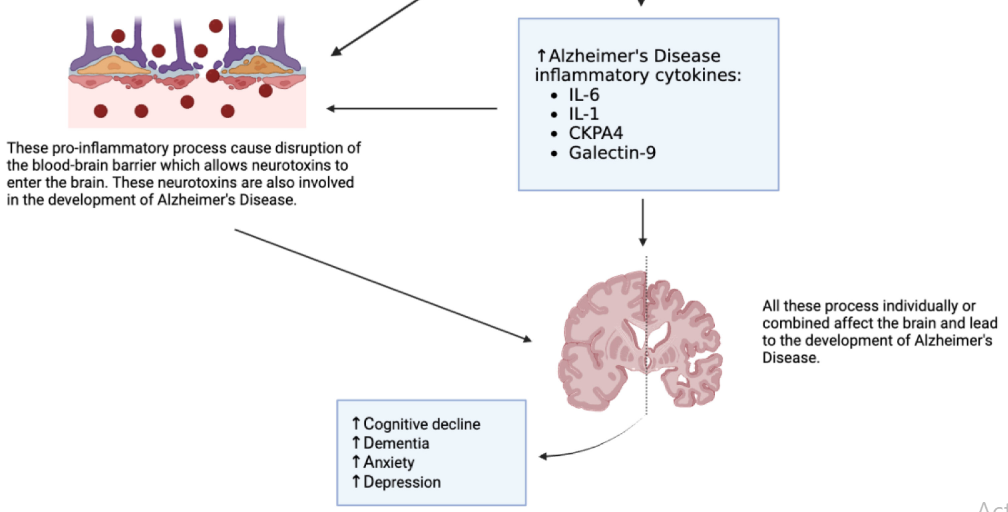
Severe acute respiratory syndrome coronavirus 2 (SARS-CoV-2) infection initially results in respiratory distress symptoms but can also lead to central nervous system (CNS) and neurological manifestations, significantly impacting coronavirus disease 2019 (COVID-19) patients with neurodegenerative diseases. Additionally, strict lockdown measures introduced to curtail the spread of COVID-19 have raised concerns over the wellbeing of patients with dementia and/or Alzheimer’s disease. The aim of this review was to discuss the overlapping molecular pathologies and the potential bidirectional relationship between COVID-19 and Alzheimer’s dementia, as well as the impact of lockdown/restriction measures on the neuropsychiatric symptoms (NPS) of patients with Alzheimer’s dementia. Furthermore, we aimed to assess the impact of lockdown measures on the NPS of caregivers, exploring its potential effects on the quality and extent of care they provide to dementia patients.We utilized the PubMed and Google Scholar databases to search for articles on COVID-19, dementia, Alzheimer’s disease, lockdown, and caregivers. Our review highlights that patients with Alzheimer’s disease face an increased risk of COVID-19 infection and complications. Additionally, these patients are likely to experience greater cognitive decline. It appears that these issues are primarily caused by the SARS-CoV-2 infection and appear to be further exacerbated by restrictive/lockdown measures. Moreover, lockdown measures introduced during the pandemic have negatively impacted both the NPSs of caregivers and their perception of the wellbeing of their Alzheimer’s patients. Thus, additional safeguard measures, along with pharmacological and non-pharmacological approaches, are needed to protect the wellbeing of dementia patients and their caregivers in light of this and possible future pandemics.
-
Advances in nanotechnology-enabled drug delivery for combining PARP inhibitors and immunotherapy in advanced ovarian cancer
Advanced ovarian cancer is a malignancy that spreads beyond the ovaries to the pelvis, abdomen, lungs, or lymph nodes. Effective treatment options are available to improve survival rates in patients with advanced ovarian cancer. These include radiation, surgery, chemotherapy, immunotherapy, and targeted therapy. Drug resistance, however, remains a significant challenge in pharmacotherapeutic interventions, leading to reduced efficacy and unfavorable patient outcomes. Combination therapy, which involves using multiple drugs with different mechanisms of action at their optimal dose, is a promising approach to circumvent this challenge and it involves using multiple drugs with different mechanisms of action at their optimal dose. In recent years, nanotechnology has emerged as a valuable alternative for enhancing drug delivery precision and minimize toxicity. Nanoparticles can deliver drugs to specific cancer cells, resulting in higher drug concentrations at the tumor site, and reducing overall drug toxicity. Nanotechnology-based drug delivery systems have the potential to improve the therapeutic effects of anti-cancer drugs, reduce drug resistance, and improve outcomes for patients with advanced ovarian cancer. This literature review aims to examine the current understanding of combining poly (ADP-ribose) polymerase (PARP) inhibitors and immunotherapy in treating advanced ovarian cancer and the potential impact of nanotechnology on drug delivery.
-
The laboratory parameters in predicting the severity and death of COVID-19 patients: Future pandemic readiness strategies
The range of clinical manifestations associated with the infection by the severe acute respiratory syndrome coronavirus 2 (SARS-CoV-2) encompasses a broad spectrum, ranging from flu-like symptoms to the occurrence of multiple organ failure and death. The severity of the coronavirus disease 2019 (COVID-19) is categorized based on clinical presentation and is divided into three distinct levels of severity identified as non-severe, severe, and critical. Although individuals of all age groups are susceptible to SARS-CoV-2 infection, middle-aged and older adults are more frequently impacted, with the latter being more likely to develop severe illness. Various laboratory characteristics observed in hospitalized COVID-19 patients have been correlated with adverse outcomes. These include elevated levels of D-dimer, liver enzymes, lactate dehydrogenase, C-reactive protein, ferritin, prothrombin time, and troponin, as well as decreased lymphocyte and platelets counts. This review investigated the relationship between baseline clinical characteristics, initial laboratory parameters upon hospital admission, and the severity of illness and mortality rates among COVID-19 patients. Although the COVID-19 pandemic has concluded, understanding the laboratory predictors of virus severity and mortality remains crucial, and examining these predictors can have long-term effects. Such insights can help healthcare systems manage resources more effectively and deliver timely and appropriate care by identifying and targeting high-risk individuals. This knowledge can also help us better prepare for future pandemics. By examining these predictors, we can take steps to protect public health and mitigate the impact of future pandemics.

Comment
1 article-
Citation metrics and scientometrics
I read the article “Scientometrics and academia” by Dr. Zerem and colleagues. My perspective on citation metrics and scientometrics is more cautious. Therefore, in this article, I present my viewpoint on this subject.
Read more in the PDF.

Research article
15 articles-
Early machine learning prediction of hospitalized patients at low risk of respiratory deterioration or mortality in community-acquired pneumonia: Derivation and validation of a multivariable model
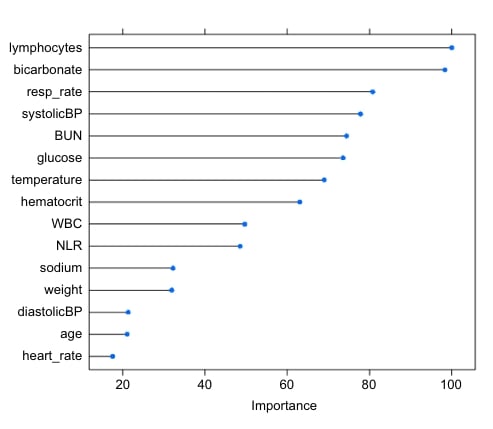
Current prognostic tools for pneumonia predominantly focus on mortality, often neglecting other crucial outcomes such as the need for advanced respiratory support. The objective of this study was to develop and validate a tool that predicts the early risk of non-occurrence of respiratory deterioration or mortality. We conducted a single-center, retrospective cohort study involving hospitalized adult patients with community-acquired pneumonia (CAP) and acute hypoxic respiratory failure from January 2009 to December 2019 (n = 4379). We employed the gradient boosting machine (GBM) learning to create a model that estimates the likelihood of patients requiring advanced respiratory support (high flow nasal cannula [HFNC], non-invasive mechanical ventilation [NIMV], and invasive mechanical ventilation [IMV]) or facing mortality during hospitalization. This model utilized readily available data including demographic, physiologic, and laboratory data, sourced from electronic health records and obtained within the first six hours of admission. Out of the cohort, 890 patients (25.2%) either required advanced respiratory support or died during their hospital stay. Our predictive model displayed superior discrimination and higher sensitivity (cross-validation C-statistic = 0.71; specificity = 0.56; sensitivity = 0.72) compared to the pneumonia severity index (PSI) (C-statistic = 0.65; specificity = 0.91; sensitivity = 0.24; P value < 0.001), while maintaining a negative predictive value (NPV) of approximately 0.85. These data demonstrate that our machine learning model predicted the non-occurrence of respiratory deterioration or mortality among hospitalized CAP patients more accurately than the PSI. The enhanced sensitivity of this model holds potential for reliably excluding low-risk patients from pneumonia clinical trials.
-
Prognostic significance and immunological role of HPRT1 in human cancers
Hypoxanthine phosphoribosyl transferase 1 (HPRT1), once considered a housekeeping gene, has been identified as playing an important role in several tumors. Its role in pan-cancer, however, has not been systematically studied. This study evaluates the relationship between HPRT1 and clinical parameters, survival prognosis, and tumor immunity based on multi omics data from the Cancer Genome Atlas (TCGA) and the Gene Expression Omnibus (GEO) databases. Drug sensitivity analysis screened 16 effective drugs against HPRT1, exploring the interactions with chemicals and genes. The significance of HPRT1 in tumor immunotherapy has also been investigated. Immunohistochemistry confirmed significant differences in the expression of HPRT1 between five tumor types (colon adenocarcinoma [COAD], head-neck squamous cell carcinoma [HNSC], lung adenocarcinoma [LUAD], thyroid carcinoma [THCA], and uterine corpus endometrial carcinoma [UCEC]) and adjacent normal tissues (P < 0.05). HPRT1 competitive endogenous RNA network was constructed in HNSC. Through cytological experiments, it was verified that HPRT1 plays a carcinogenic role in HNSC and is associated with tumor cell proliferation, migration, invasion, and apoptosis. In addition, there was a significant positive correlation between HPRT1 and programmed cell death-1 (PD-1) expression in HNSC (P < 0.05). These findings suggest that HPRT1 may be a potential biomarker for predicting and treating cancer.
-
The assessment of tumor-infiltrating lymphocytes in invasive apocrine carcinoma of the breast in relation to the HER2 status
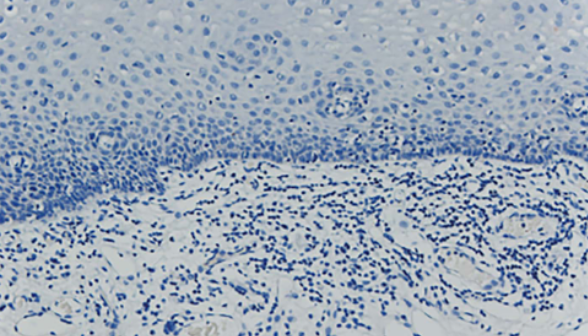
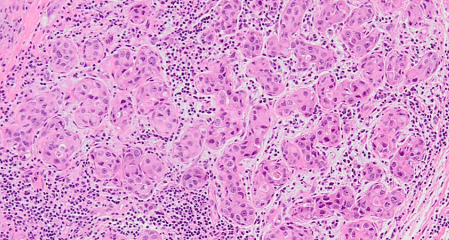
In the current study, we assessed the prevalence and molecular features of HER2-low phenotype in the apocrine carcinomas of the breast (ApoCa) and its relationship with tumor-infiltrating lymphocytes (TILs). A cohort of 64 well-characterized therapy-naïve ApoCa was used. The TIL distribution was assessed using the hematoxylin and eosin whole slide/scanned images following the international TILs working group recommendations. Next-generation sequencing (NGS) was performed in a subset of HER2-low ApoCa. All patients were women, with a mean age of 62 years. Forty-three carcinomas were pure apocrine carcinoma (PAC; ER−/AR+), and the remaining 21 were classified as apocrine-like carcinomas (ALCs; ER+/−, AR+/−). HER2/neu was positive (score 3+ by IHC and/or amplified by FISH) in 20/43 (47%) PAC and 4/21 (19%) ALC. The prevalence of HER2-low expression (scores 1+ or 2+ without HER2 amplification) in ApoCa was 39% without significant differences between PAC and ALC (P = 0.14); however, the HER2-low phenotype was more prevalent in triple-negative PAC than in ALC (P < 0.001). Levels of TILs were low (≤10%) in 74% of ApoCa (median 5%, range 0%–50%). TIL levels were significantly higher in ALC than in PAC (P = 0.02). HER2 status had no impact on TIL distribution (P = 0.45). The genomic profile of HER2-low ApoCa was similar to other subtypes of ApoCa. ApoCa has predominantly low TIL, particularly PAC. The prevalence of the HER2-low phenotype in ApoCa is high, which should have therapeutic and clinical implications given the recently approved therapies with antibody–drug conjugates (ADCs) for HER2-low breast cancers.
-
Comprehensive analysis of a NAD+ metabolism-derived gene signature to predict the prognosis and immune landscape in endometrial cancer
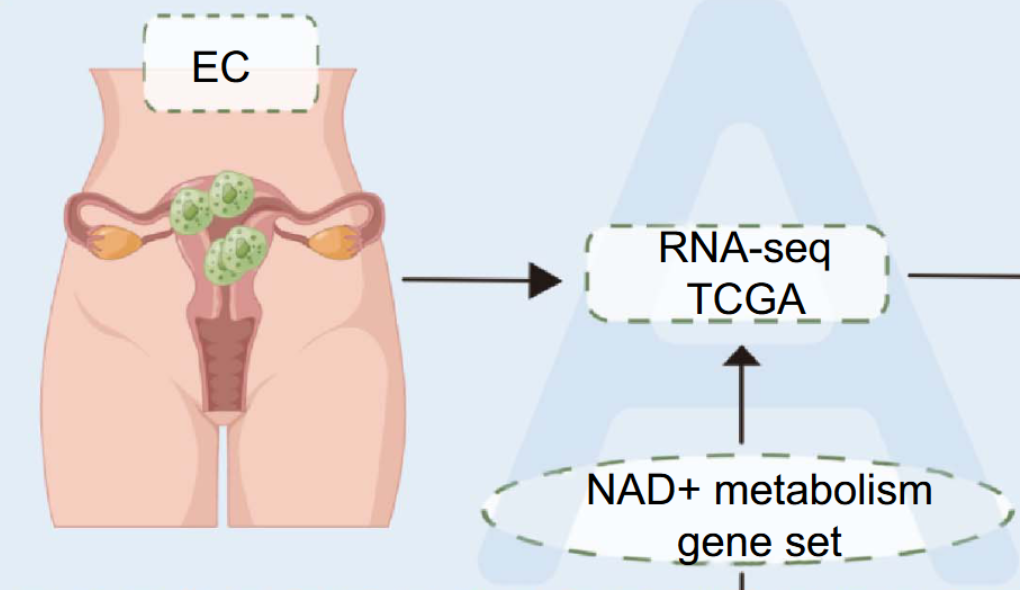
As a crucial regulator influencing tumor progression, nicotinamide adenine dinucleotide (NAD+) is widely acknowledged. However, its role in endometrial cancer (EC) is not completely understood. In this study, we aimed to develop an NAD+metabolic-related genes (NMRGs) risk signature that could reflect the prognosis of EC patients and their responsiveness to immunotherapy and chemotherapy. Data from The Cancer Genome Atlas (TCGA) databases and the Molecular Signatures Database (MSigDB) confirmed two distinct NMRG subtypes in EC patients using consensus clustering, and a risk score was constructed utilizing an NAD+-related prognostic signature depending on the least absolute shrinkage and selection operator (LASSO) Cox regression analysis. Receiver operating characteristic (ROC) curves were employed to assess the model’s precision. Additionally, we used Gene Set Enrichment Analysis (GSEA) to predict the biological signaling pathways that might be involved. We also explored the role of the risk score in immune cell infiltration, tumor mutation burden (TMB), immunotherapy, and chemotherapy. Our study established a prognostic risk signature based on six NMRGs, and we observed that the high-risk group was associated with a poorer prognosis. Furthermore, we identified a strong correlation between the high-risk group and several pathways, including DNA replication, cell cycle, and mismatch repair. Lastly, our findings highlighted the influence of NMRGs on the regulation of immune infiltration in EC. Therefore, this signature holds potential value in predicting the prognosis of EC patients and guiding their management, including decisions regarding immunotherapy and chemotherapy, ultimately improving the accuracy of EC patient care.
-
Comprehensive exosomal microRNA profile and construction of competing endogenous RNA network in autism spectrum disorder: A pilot study
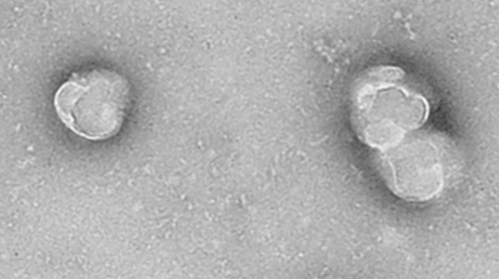
Exosomes have been demonstrated to exert momentous roles in autism spectrum disorder (ASD). However, few studies have reported a correlation between exosomal microRNAs (miRNAs) and ASD. To date, our understanding of crucial competing endogenous RNA (ceRNA) networks in ASD remains limited. Herein, the exosomal miRNA profile in the peripheral blood of children with ASD and healthy controls was investigated and the level of immune cell infiltration in ASD was evaluated to determine the distribution of immune cell subtypes. Exosomes were isolated from the peripheral blood of ten children with ASD and ten healthy controls, and further identified using transmission electron microscopy and western blot analysis. RNA sequencing was conducted to investigate exosomal miRNA profiles in patients with ASD. The mRNA and circular RNA (circRNA) expression profiles were acquired from the Gene Expression Omnibus (GEO) database. Differentially expressed mRNAs (DEmRNAs), miRNAs (DEmiRNAs), and circRNAs (DEcircRNAs) were identified and ceRNA regulatory networks were constructed. Furthermore, the immune cell infiltration levels in patients with ASD were evaluated. Exosomes were spherical, approximately 100 nm in size, and were confirmed via western blot analysis using exosome-associated markers CD9, CD63, and CD81. Thirty-five DEmRNAs, 63 DEmiRNAs, and 494 DEcircRNAs were identified in patients with ASD. CeRNA regulatory networks, including 6 DEmRNAs, 14 DEmiRNAs, and 86 DEcircRNAs, were established. Correlation analysis indicated that leucine-rich glioma inactivated protein 1 (LGI1) expression was significantly positively correlated with the content of CD8+ T cells. Our findings may be conducive to offering novel insights into this disease and providing further evidence of transcriptomic abnormalities in ASD.
-
The usefulness of the genetic panel in the classification and refinement of diagnostic accuracy of Mexican patients with Marfan syndrome and other connective tissue disorders
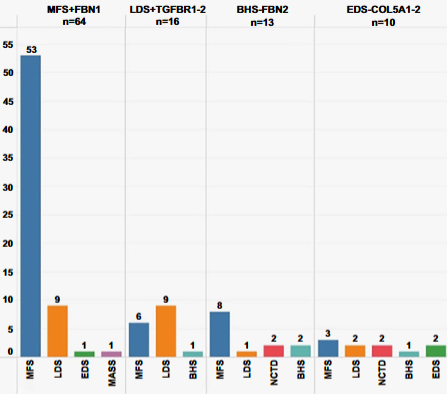
Marfan syndrome (MFS) is a multisystem genetic disorder with over 3000 mutations described in the fibrillin 1 (FBN1) gene. Like MFS, other connective tissue disorders also require a deeper understanding of the phenotype-genotype relationship due to the complexity of the clinical presentation, where diagnostic criteria often overlap. Our objective was to identify mutations in patients with connective tissue disorders using a genetic multipanel and to analyze the genotype-phenotype associations in a cohort of Mexican patients. We recruited 136 patients with MFS and related syndromes from the National Institute of Cardiology. Mutations were identified using next-generation sequencing (NGS). To examine the correlation between mutation severity and severe cardiovascular conditions, we focused on patients who had undergone Bentall-de Bono surgery or aortic valve repair. The genetic data obtained allowed us to reclassify the initial clinical diagnosis across various types of connective tissue disorders. The transforming growth factor beta receptor 2 (TGFBR2) rs79375991 mutation was found in 10 out of 16 (63%) Loeys-Dietz patients. We observed a high prevalence (65%) of more severe mutations, such as frameshift indels and stop codons, among patients requiring invasive treatments like aortic valve-sparing surgery, Bentall and de Bono procedures, or aortic valve replacement due to severe cardiovascular injury. Although our study did not achieve precise phenotype-genotype correlations, it underscores the importance of a multigenetic panel evaluation. This could pave the way for a more comprehensive diagnostic approach and inform medical and surgical treatment decision-making.
-
Downregulation of SIRT1 and GADD45G genes and left atrial fibrosis induced by right ventricular dependent pacing in a complete atrioventricular block pig model
The molecular and genetic mechanisms underlying left atrial (LA) enlargement and atrial fibrosis following right ventricular (RV) dependent pacing remain unclear. Our objective was to investigate genetic expressions in the LA of pigs subjected to RV pacing for atrioventricular block (AVB), as well as to identify the differential gene expressions affected by biventricular (BiV) pacing. We established an AVB pig model and divided the subjects into three groups: a sham control group, an RV pacing group, and a BiV pacing group. Differential expression genes (DEGs) analyses conducted through next-generation sequencing (NGS) and enrichment analyses were employed to identify genes with altered expression in the LA myocardium. The RV pacing group showed a significant increase in extracellular fibrosis in the LA myocardium compared to the control group. NGS analysis revealed suppressed expression of the sirtuin signaling pathway in the RV pacing group. Among the DEGs within this pathway, GADD45G was found to be downregulated in the RV pacing group and upregulated in the BiV pacing group. Remarkably, the BiV pacing group exhibited elevated levels of GADD45G protein. In our study, we observed significant downregulation of SIRT1 and GADD45G genes, which are associated with the sirtuin signaling pathway, in the LA myocardium of the RV pacing group when compared to the control group. Moreover, these genes, which were downregulated in the RV pacing group, displayed a noteworthy upregulation in the BiV pacing group when compared to the RV pacing group.
-
Increased carotid intima-media thickness and cardiometabolic risk factors are associated with IL-6 gene polymorphisms in Mexican individuals: The Genetics of Atherosclerotic Disease Mexican study
Interleukin 6 (IL-6) is a cytokine implicated in the development of atherosclerosis. This study aimed to determine the association of three IL-6 gene polymorphisms with increased carotid intima-media thickness (CIMT) and cardiometabolic risk factors. Three IL-6 polymorphisms (rs1800795, rs2069827, and rs1800796) were analyzed in 178 individuals with increased CIMT (CIMT ≥ 75th percentile) and 906 individuals without increased CIMT (CIMT < 75th percentile). Logistic regression, adjusted for confounding variables, was employed to assess the associations. The rs1800796 polymorphism was significantly associated with an elevated risk of increased CIMT (OR = 1.354, Padditive = 0.016; OR = 1.803, Precessive = 0.014; OR = 1.989, Pcodominant2 = 0.008). One haplotype (GCG) correlated with a higher risk of increased CIMT (OR = 1.288; P = 0.008), while another (GGG) demonstrated a reduced risk (OR = 0.773; P = 0.006). In individuals without increased CIMT, the rs2069827 polymorphism was associated with low risks of central obesity, hypoalphalipoproteinemia, and a low risk of presenting with high levels of total cholesterol (TC), non-high-density lipoprotein cholesterol (non-HDL-C), low-density lipoprotein cholesterol (LDL-C) /HDL-C index, apolipoprotein B, and gamma-glutamyl transpeptidase. The rs1800796 polymorphism was associated with a low risk of adipose tissue insulin resistance, and the rs1800795 was associated with a minimal risk of central obesity and hypoalphalipoproteinemia. Among those with increased CIMT, the rs2069827 was associated with low risks of central obesity, hypertriglyceridemia, metabolic syndrome, and a high triglyceride (TG)/HDL-C index, while rs1800796 was associated with a low risk of fatty liver. Similar IL-6 concentrations were observed in both individuals with and without increased CIMT. In conclusion, the rs1800796 polymorphism is associated with increased CIMT, while the rs2069827 and rs1800795 are linked to cardiovascular risk factors.
-
Parathyroid hormone-related protein as a potential prostate cancer biomarker: Promoting prostate cancer progression through upregulation of c-Met expression
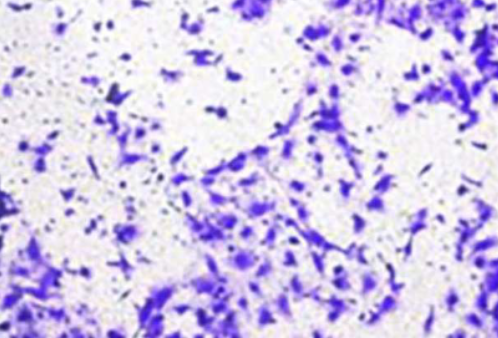
Parathyroid hormone-related protein (PTHrP) plays a significant role in various tumor types, including prostate cancer. However, its specific role and underlying mechanisms in prostate cancer remain unclear. This study investigates the role of PTHrP and its interaction with the c-Met in prostate cancer. PTHrP was overexpressed and knocked down in prostate cancer cell lines to determine its effect on cell functions. Xenograft tumor models were employed to assess the impact of PTHrP overexpression on tumor growth. To delve into the interaction between PTHrP and c-Met, rescue experiments were conducted. Clinical data and tissue samples from prostate cancer patients were gathered and analyzed for PTHrP and c-Met expression. PTHrP overexpression in prostate cancer cells upregulates c-Met expression and augments cell functions. In contrast, PTHrP-knockdown diminishes c-Met expression and inhibits cell functions. In vivo experiments further demonstrated that PTHrP overexpression promoted tumor growth in xenograft models.Moreover, modulating c-Met expression in rescue experiments led to concurrent alterations in prostate cancer cell functions. Immunohistochemical analysis of clinical samples displayed a significant positive correlation between PTHrP and c-Met expression. Additionally, PTHrP expression correlated with clinical parameters like prostate-specific antigen (PSA) levels, tumor stage, lymph node involvement, distant metastasis, and Gleason score. PTHrP plays a crucial role in prostate cancer progression by upregulating c-Met expression. These insights point to PTHrP as a promising potential biomarker for prostate cancer.
-
CCNI2 promotes pancreatic cancer through PI3K/AKT signaling pathway
Globally, pancreatic cancer is recognized as one of the deadliest malignancies that lacks effective targeted therapies. This study aims to explore the role of cyclin I-like protein (CCNI2), a homolog of cyclin I (CCNI), in the progression of pancreatic cancer, thereby providing a theoretical basis for its treatment. Firstly, the expression of CCNI2 in pancreatic cancer tissues was determined through immunohistochemical staining. The biological role of CCNI2 in pancreatic cancer cells was further assessed using both in vitro and in vivo loss/gain-of-function assays. Our data revealed that CCNI2 expression was abnormally elevated in pancreatic cancer, and clinically, increased CCNI2 expression generally correlated with reduced overall survival. Functionally, CCNI2 contributed to the malignant progression of pancreatic cancer by promoting the proliferation and migration of tumor cells. Consistently, in vivo experiments verified that CCNI2 knockdown impaired the tumorigenic ability of pancreatic cancer cells. Moreover, the addition of phosphatidylinositol 3-kinase (PI3K) inhibitors could partially reverse the promoting effect of CCNI2 on the malignant phenotypes of pancreatic cancer cells. CCNI2 promoted pancreatic cancer through PI3K/protein kinase B (AKT) signaling pathway, indicating its potential as a prognostic marker and therapeutic target for pancreatic cancer.
-
The protective effect of DNase I in retinal vein occlusion
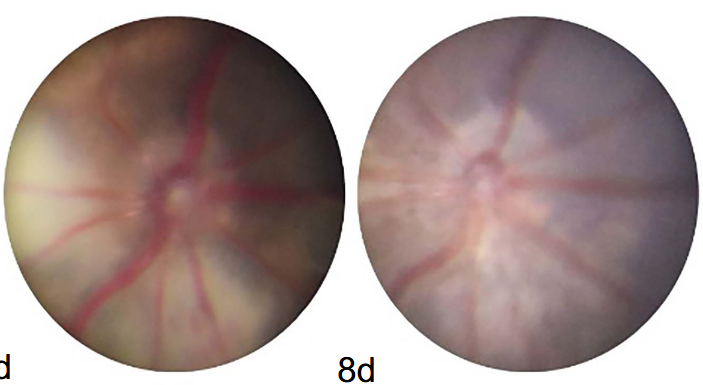
Retinal vein occlusion (RVO) ranks as the second most prevalent retinal vascular disease, following diabetic retinopathy. Neutrophil extracellular traps (NETs) play an important role in vascular diseases. This study aimed to elucidate the relationship between NETs and RVO, and to discern the potential role of deoxyribonuclease I (DNase I) in the prevention and treatment of RVO through the modulation of NETs. We analyzed circulating NETs biomarkers, namely cell-free DNA (cf-DNA), myeloperoxidase (MPO)-DNA, and neutrophil elastase (NE), in 30 RVO patients and 30 healthy individuals. We established an RVO mouse model using a retinal laser, and the mice were categorized into two groups: the DNase I group and the control group. Retinal images were taken at predetermined time points, and the state of the retinal vessels was assessed. Both tissue and blood samples were harvested for analysis of NETs expression through methods such as western blotting, immunofluorescence staining, and enzyme-linked immunosorbent assay (ELISA). Our finding indicate an increase in circulating NETs biomarkers in human and mouse RVO cases, while also verifying the presence of NETs in the retinal thrombus of the RVO model. Both in vitro and in vivo tests revealed that DNase I attenuated NETs formation. Moreover, DNase I injections led to diminished NETs biomarker levels and a reduced duration of the thrombus after the RVO model establishment. Consequently, DNase I, a well-established modulator of NETs formation, might exhibit protective properties in the prevention and treatment of RVO.
-
Sugammadex and urinary retention after hysterectomy: A propensity-matched cohort study
Postoperative urinary retention (POUR) is a well-known complication after gynecologic surgery. Our objective was to investigate whether the choice of pharmacologic agent for reversing neuromuscular blockade at the end of a hysterectomy is a risk factor for POUR. Among adult patients undergoing hysterectomy with general anesthesia from 2012 to 2017, those who received aminosteroid nondepolarizing neuromuscular agents followed by pharmacologic reversal were identified, and electronic health records were reviewed. The cohort was dichotomized into two groups by reversal agent: 1) sugammadex and 2) neostigmine with glycopyrrolate. The primary outcome, POUR, was defined as unplanned postoperative bladder recatheterization. A propensity-adjusted analysis was performed to investigate the association between POUR and reversal agent by using inverse probability of treatment weighting to adjust for potential confounders. We identified 1,974 patients, of whom 1,586 (80.3%) received neostigmine-glycopyrrolate and 388 (19.7%) received sugammadex for reversal of neuromuscular blockade. The frequency of POUR was 24.8% (393/1,586) after reversal with neostigmine-glycopyrrolate and 18.3% (71/388) with sugammadex. Results from the propensity-adjusted analysis showed that sugammadex was associated with a lower POUR risk than neostigmine-glycopyrrolate (odds ratio 0.53, 95% confidence interval [CI] 0.37 - 0.76, P < 0.001). A post hoc analysis of sugammadex recipients who received glycopyrrolate for another indication showed a higher POUR risk than among those who did not receive glycopyrrolate (odds ratio 1.86, 95% CI 1.07 - 3.22, P = 0.03). Use of sugammadex to reverse aminosteroid neuromuscular blocking agents is associated with decreased risk of POUR after hysterectomy. A potential mechanism is the omission of glycopyrrolate, which is coadministered with neostigmine to mitigate unwanted cholinergic effects.
-
Development and validation of a diagnostic model to differentiate spinal tuberculosis from pyogenic spondylitis by combining multiple machine learning algorithms
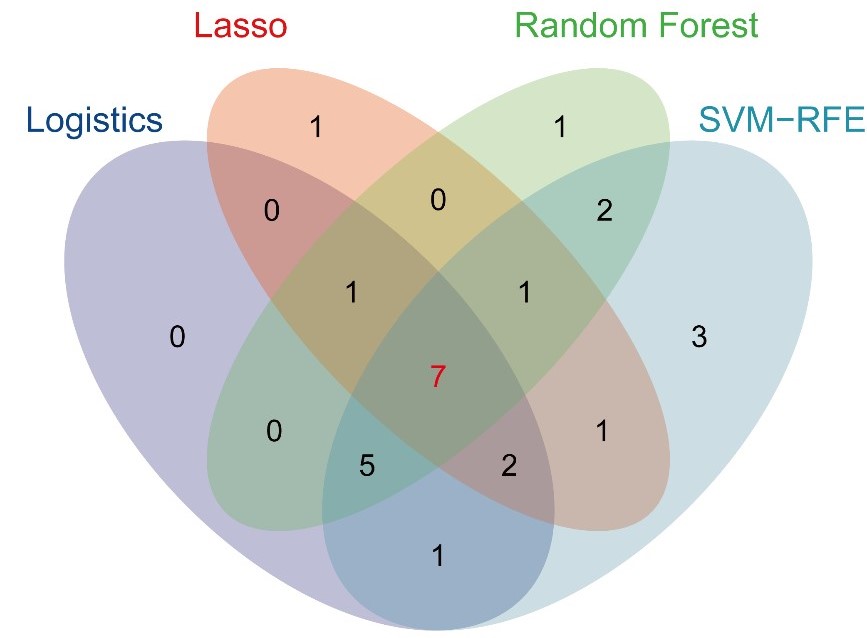
This study focused on the development and validation of a diagnostic model to differentiate between spinal tuberculosis (STB) and pyogenic spondylitis (PS). We analyzed a total of 387 confirmed cases, out of which 241 were diagnosed with STB and 146 were diagnosed with PS. These cases were randomly divided into a training group (n = 271) and a validation group (n = 116). Within the training group, four machine learning (ML) algorithms (least absolute shrinkage and selection operator [LASSO], logistic regression analysis, random forest, and support vector machine recursive feature elimination [SVM-RFE]) were employed to identify distinctive variables. These specific variables were then utilized to construct a diagnostic model. The model’s performance was subsequently assessed using the receiver operating characteristic (ROC) curves and the calibration curves. Finally, internal validation of the model was undertaken in the validation group. Our findings indicate that PS patients had an average platelet-to-neutrophil ratio (PNR) of 277.86, which was significantly higher than the STB patients’ average of 69.88. The average age of PS patients was 54.71 years, older than the 48 years recorded for STB patients. Notably, the neutrophil-to-lymphocyte ratio (NLR) was higher in PS patients at 6.15, compared to the 3.46 NLR in STB patients. Additionally, the platelet volume distribution width (PDW) in PS patients was 0.2, compared to 0.15 in STB patients. Conversely, the mean platelet volume (MPV) was lower in PS patients at an average of 4.41, whereas STB patients averaged 8.31. Hemoglobin (HGB) levels were lower in PS patients at an average of 113.31 compared to STB patients' average of 121.64. Furthermore, the average red blood cell (RBC) count was 4.26 in PS patients, which was less than the 4.58 average observed in STB patients. After evaluation, seven key factors were identified using the four ML algorithms, forming the basis of our diagnostic model. The training and validation groups yielded area under the curve (AUC) values of 0.841 and 0.83, respectively. The calibration curves demonstrated a high alignment between the nomogram-predicted values and the actual measurements. The decision curve indicated optimal model performance with a threshold set between 2% and 88%. In conclusion, our model offers healthcare practitioners a reliable tool to efficiently and precisely differentiate between STB and PS, thereby facilitating swift and accurate diagnoses.
-
Comprehensive analysis of the role of interferon gamma-inducible protein 30 on immune infiltration and prognosis in clear cell renal cell carcinoma
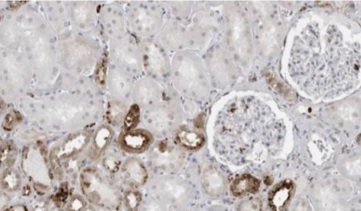
Although the immune factor interferon gamma-inducible protein 30 (IFI30) has been linked to the growth and immune infiltration of various malignancies, its function and mechanism in clear cell renal cell carcinoma (ccRCC) remains unclear. We used several databases to detect and validate IFI30 expression in ccRCC and its connection to immune invasion. We found that IFI30 expression was higher in ccRCC tissues compared to normal tissues, and was strongly associated with tumor grade, T stage, and M stage. Univariate and multivariate analyses showed that ccRCC cases with lower IFI30 expression levels had a higher OS rate than those with high IFI30 expression (P < 0.05). Additionally, we collected a total of 104 cases of ccRCC and adjacent tissues from the First Affiliated Hospital of Jinzhou Medical University between January 2018 and January 2020 for immunohistochemical (IHC) analysis, along with their relevant clinicopathological data. The relationship between IFI30 and expression of CD3E, CD4, CD8A, interleukin 10 (IL-10) and transforming growth factor beta (TGFB2) was examined using the ccRCC data from The Cancer Genome Atlas (TCGA) database, with findings verified by IHC analysis using the collected cases. Statistical analysis performed with SPSS found the positive correlation between the expression of CD3E, CD4, CD8A and IL-10 and the IFI30 expression, and negative correlation of TGFB2 expression with the IFI30 expression in ccRCC. Concurrently, a notable association was observed between high IFI30 expression and immune cell infiltration in ccRCC. High IFI30 expression is connected to the ccRCC's poor prognosis with the infiltration of immune cell. These findings suggest that high IFI30 expression could serve as a marker of poor prognosis and be associated with immune cell infiltration in ccRCC.
-
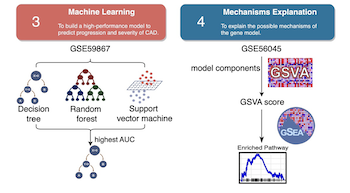
A novel machine learning-derived four-gene signature predicts STEMI and post-STEMI heart failure
High mortality and morbidity rates associated with ST-elevation myocardial infarction (STEMI) and post-STEMI heart failure (HF) necessitate proper risk stratification for coronary artery disease (CAD). A prediction model that combines specificity and convenience is highly required. This study aimed to design a monocyte-based gene assay for predicting STEMI and post-STEMI HF. A total of 1,956 monocyte expression profiles and corresponding clinical data were integrated from multiple sources. Meta-results were obtained through the weighted gene co-expression network analysis (WGCNA) and differential analysis to identify characteristic genes for STEMI. Machine learning models based on the decision tree (DT), support vector machine (SVM), and random forest (RF) algorithms were trained and validated. Five genes overlapped and were subjected to the model proposal. The discriminative performance of the DT model outperformed the other two methods. The established four-gene panel (HLA-J, CFP, STX11, and NFYC) could discriminate STEMI and HF with an area under the curve (AUC) of 0.86 or above. In the gene set enrichment analysis (GSEA), several cardiac pathogenesis pathways and cardiovascular disorder signatures showed statistically significant, concordant differences between subjects with high and low expression levels of the four-gene panel, affirming the validity of the established model. In conclusion, we have developed and validated a model that offers the hope for accurately predicting the risk of STEMI and HF, leading to optimal risk stratification and personalized management of CAD, thereby improving individual outcomes.