

Ketamine and psychedelics: A path to Alzheimer’s disease prevention?
Abstract
Astrocyte mitochondrial dysfunction contributes to mild cognitive impairment (MCI) and Alzheimer's disease (AD), making it a promising therapeutic target. This review investigates whether ketamine and psychedelics can modulate MCI and AD pathophysiology by regulating astrocyte mitochondria. Data on astrocyte metabolism, stress vulnerability, and interactions with other CNS cells, including neurons, are synthesized from literature searches in PubMed, Scopus, and Google. The reviewed literature indicates that reactive astrocyte-linked blood-brain barrier disruption, impaired glymphatic clearance, reduced glutamate uptake, decreased neuronal lactate supply, and synaptic loss can exacerbate neuronal and astrocyte amyloid-β accumulation and tau hyperphosphorylation. Developmental stressors and childhood trauma are an Alzheimer’s disease risk factor that upregulates chronic cortisol exposure to compromise astrocyte mitochondrial resilience. Low-dose ketamine is proposed to act partly via inner mitochondrial membrane N-methyl-D-aspartate receptor (NMDAr). Psychedelics can engage the aryl hydrocarbon receptor (AhR), sigma-1-receptor, and serotonin 2A receptor (5-HT2AR). Ketamine and the psychedelics can also positively allosterically modulate the tropomyosin receptor kinase B (TrkB), including on the outer mitochondrial membrane to modulate mitochondrial calcium regulation. This is proposed to contribute to mitochondrial melatonergic pathway upregulation and associated increase in the mitochondria-derived peptide, humanin. These factors are proposed to support neuronal metabolism and mitigate inflammation and oxidative stress. However, their disease-modifying potential requires future experimental investigation. Overall, astrocyte mitochondrial regulation offers a testable framework for investigating ketamine and psychedelics in MCI and AD. Further experimental validation and controlled clinical trials are essential to establish safety and determine if these agents can slow disease progression or prevent onset.
Keywords
Alzheimer’s disease mild cognitive impairment ketamine psychedelics treatment astrocytes mitochondria melatonin humanin aryl hydrocarbon receptorDownloads
References
Gong M, Lan J, Miao J. Microglia-astrocyte crosstalk as a key organizing principle of Alzheimer's disease: from homeostatic cooperation to maladaptive signaling loops. Front Aging Neurosci. 2026;18:1908574. https://doi.org/10.3389/fnagi.2026.1908574
Anderson G. Physiological processes underpinning the ubiquitous benefits and interactions of melatonin, butyrate and green tea in neurodegenerative conditions. Melatonin Res. 2024;7(1):20–46. https://doi.org/10.32794/mr11250016
Nonino F, Minozzi S, Sambati L, Del Giovane C, Baldin E, Bassi MC, et al. Amyloid-beta-targeting monoclonal antibodies for people with mild cognitive impairment or mild dementia due to Alzheimer's disease. Cochrane Database Syst Rev. 2026;4(4):CD016297. https://doi.org/10.1002/14651858.CD016297
Terao I, Kodama W. Comparative efficacy, tolerability, and acceptability of donanemab, lecanemab, aducanumab, melatonin, and aerobic exercise for a short time on cognitive function in mild cognitive impairment and mild Alzheimer's disease: a systematic review and network meta-analysis. J Alzheimers Dis. 2024;98(3):825–35. https://doi.org/10.3233/JAD-230911
Liu R, Deng Q, Gong L, Yang L. Role shift of glial cells from physiology to pathology in Alzheimer's disease: the regulatory impact of exercise. Neurosci Bull. 2026;42(7):1617–49. https://doi.org/10.1007/s12264-026-01598-2
Mostafa SS, Mohammed RA, Abbas AY, Othman MA. The protective role of melatonin on the brain in a rat model of Alzheimer's disease. Metab Brain Dis. 2026;41(1):151. https://doi.org/10.1007/s11011-026-01915-8
Badawi GA, Shaaban RS, Almutairi JA, El-Masry TA, Zaki HF, Ibrahim SM. Physical exercise enhances melatonin effect in D-galactose/aluminum chloride-induced Alzheimer's disease of ovariectomized rats: irisin induction associated with upregulation of PPAR-γ/IGF-1/BDNF and decreasing TNF-α/p38-MAPK/NLRP3/GFAP pathway. Pharmaceuticals (Basel). 2026;19(5):770. https://doi.org/10.3390/ph19050770
Li X, Chen Z, Guan J, Yu H, Wang J. Oral administration of melatonin modulates macrophage polarization via modulating the Vegf signaling pathway and ameliorates Alzheimer's disease in APP/PS1 mice. Brain Res Bull. 2026;245:112088. https://doi.org/10.1016/j.brainresbull.2026.112088
Pappolla MA, Sos M, Omar RA, Bick RJ, Hickson-Bick DL, Reiter RJ, et al. Melatonin prevents death of neuroblastoma cells exposed to the Alzheimer amyloid peptide. J Neurosci. 1997;17(5):1683–90. https://doi.org/10.1523/JNEUROSCI.17-05-01683.1997
Maurizi CP. Dementia – the failure of hippocampal plasticity and dreams. Is there a preventative role for melatonin? Med Hypotheses. 1987;24(1):59–68. https://doi.org/10.1016/0306-9877(87)90047-8
Tan DX, Manchester LC, Liu X, Rosales-Corral SA, Acuna-Castroviejo D, Reiter RJ. Mitochondria and chloroplasts as the original sites of melatonin synthesis: a hypothesis related to melatonin's primary function and evolution in eukaryotes. J Pineal Res. 2013;54(2):127–38. https://doi.org/10.1111/jpi.12026
Reiter RJ, Sharma R, Loh D, Chuffa LGA, Bai Y, Zuccari DAPC, et al. Melatonin targets mitochondrial redox homeostasis: optimizing the intracellular microenvironment. Int J Mol Sci. 2026;27(10):4496. https://doi.org/10.3390/ijms27104496
Anderson G. Depression pathophysiology: astrocyte mitochondrial melatonergic pathway as crucial hub. Int J Mol Sci. 2022;24(1):350. https://doi.org/10.3390/ijms24010350
Anderson G. A more holistic perspective of Alzheimer's disease: roles of gut microbiome, adipocytes, HPA axis, melatonergic pathway and astrocyte mitochondria in the emergence of autoimmunity. Front Biosci (Landmark Ed). 2023;28(12):355. https://doi.org/10.31083/j.fbl2812355
Kim Y, Heo W, Park SJ, Kim Y, Cho YE. Astrocytic lactate shuttle disruption and the energy-starved lysosome in Alzheimer's disease. Res Sq [Preprint]. 2026 Jul 15:rs.3.rs-10057949. https://doi.org/10.21203/rs.3.rs-10057949/v1
Rodríguez-Millan L, Angarita-Rodríguez A, Vargas-López V, Pinzón A, Tarifeño-Saldivia E, González J. Comparative evaluation of reference-free transcriptomic deconvolution highlights the importance of biological validation in astrocytes across Alzheimer's disease. Front Bioinform. 2026;6:1858866. https://doi.org/10.3389/fbinf.2026.1858866
Anderson G. Enteric glial cell and astrocyte melatonin regulation in Parkinson disease pathogenesis and pathophysiology. Academia Biology. 2026;4(1). https://doi.org/10.20935/AcadBiol8130
Gu D, Lei Y, Lu J, Yi W, Zhang Q, Wang C, et al. Astrocytes in Parkinson's disease: from guardians to accomplices. Clin Interv Aging. 2026;21:606639. https://doi.org/10.2147/CIA.S606639
Anderson G. Amyotrophic lateral sclerosis pathoetiology and pathophysiology: roles of astrocytes, gut microbiome, and muscle interactions via the mitochondrial melatonergic pathway, with disruption by glyphosate-based herbicides. Int J Mol Sci. 2022;24(1):587. https://doi.org/10.3390/ijms24010587
Jo M, Kim S, Woo J, Park JS, Kim SH, Nahm M, et al. Targeting astrocyte-mediated neurotoxicity induced by ALS/FTD-associated RNA binding proteins. Cell Commun Signal. 2026 Jul 15. Online ahead of print. https://doi.org/10.1186/s12964-026-03082-w
Liu YJ, Zhuang J, Zhu HY, Shen YX, Tan ZL, Zhou JN. Cultured rat cortical astrocytes synthesize melatonin: absence of a diurnal rhythm. J Pineal Res. 2007;43(3):232–8. https://doi.org/10.1111/j.1600-079X.2007.00466.x
Liu YJ, Meng FT, Wang LL, Zhang LF, Cheng XP, Zhou JN. Apolipoprotein E influences melatonin biosynthesis by regulating NAT and MAOA expression in C6 cells. J Pineal Res. 2012;52(4):397–402. https://doi.org/10.1111/j.1600-079X.2011.00954.x
Pang CS, Mulnier C, Pang SF, Yang JC. Effects of halothane, pentobarbital and ketamine on serum melatonin levels in the early scotophase in New Zealand white rabbits. Biol Signals Recept. 2001;10(5):310–6. https://doi.org/10.1159/000046898
Parcon PA, Bardhoshi A, Olsen-Dufour A, Cureton R, Jana S, Morse CL, et al. Subanesthetic doses of ketamine to rats and monkeys rapidly increases radioligand binding in brain to phosphodiesterase-4, an indirect marker of cAMP. Transl Psychiatry. 2026;16(1):297. https://doi.org/10.1038/s41398-026-04039-w
Fukuhara C, Liu C, Ivanova TN, Chan GC, Storm DR, Iuvone PM, et al. Gating of the cAMP signaling cascade and melatonin synthesis by the circadian clock in mammalian retina. J Neurosci. 2004;24(8):1803–11. https://doi.org/10.1523/JNEUROSCI.4988-03.2004
Córdoba-Moreno MO, Santos GC, Muxel SM, Dos Santos-Silva D, Quiles CL, Sousa KDS, et al. IL-10-induced STAT3/NF-κB crosstalk modulates pineal and extra-pineal melatonin synthesis. J Pineal Res. 2024;76(1):e12923. https://doi.org/10.1111/jpi.12923
Chowdhury MR, Jeong GH, Lee IK. Mitochondrial dysfunction as a driver of meta-inflammation in aging: the emerging role of PDK4 in bioenergetic reprogramming and inflammatory amplification. Cells. 2026;15(15):1404. https://doi.org/10.3390/cells15151404
Anderson G. Low dose ketamine preconditions astrocyte mitochondria to achieve antidepressant efficacy via adenosine, humanin, and melatonin upregulation and efflux. Alpha Psychiatry. 2026;27(4):54760. https://doi.org/10.31083/AP54760
Anderson G. Astrocyte mitochondrial humanin: does it increase microglia and neuronal mitochondrial melatonergic pathway, with implications for aging and neurodegenerative conditions? Explor Neurosci. 2026;5:1006132. https://doi.org/10.37349/en.2026.1006132
Zárate SC, Traetta ME, Codagnone MG, Seilicovich A, Reinés AG. Humanin, a mitochondrial-derived peptide released by astrocytes, prevents synapse loss in hippocampal neurons. Front Aging Neurosci. 2019;11:123. https://doi.org/10.3389/fnagi.2019.00123
Geiger Z, VanVeller B, Lopez Z, Harrata AK, Battani K, Wegman-Points L, et al. Determination of diffusion kinetics of ketamine in brain tissue: implications for in vitro mechanistic studies of drug actions. Front Neurosci. 2021;15:678978. https://doi.org/10.3389/fnins.2021.678978
Keiser M, Hasan M, Oswald S. Affinity of ketamine to clinically relevant transporters. Mol Pharm. 2018;15(1):326–31. https://doi.org/10.1021/acs.molpharmaceut.7b00627
Guan A, Han S, Liang S, Shen W, Guo M, Cui M. Organic cation transporter 3 on neuronal mitochondria mediates MPP+-induced mitochondrial dysfunction and neurotoxicity in a TIMM22-dependent manner. BMC Biol. 2025;23(1):214. https://doi.org/10.1186/s12915-025-02318-4
Fahmy NG, Kamel NM, Khattab MM, Muhammad RN. Unveiling the role of single versus repeated low-dose ketamine in attenuating doxorubicin-induced chemobrain and depression in rats: differential modulation of neuroinflammation, phosphorylated GLT-1, SERT, DAT, and BDNF/TrkB signaling. Neuropharmacology. 2026;298:111055. https://doi.org/10.1016/j.neuropharm.2026.111055
Avelar P, Morais TP, de Castro-Abrantes H, Armada-Moreira A, Gonçalves-Ribeiro J, Valente CA, et al. BDNF prevents amyloid-β-induced exacerbation of mGluR5-driven Ca2+ transients in astrocytes through TrkB-Tc activation. Cell Calcium. 2026;134:103119. https://doi.org/10.1016/j.ceca.2026.103119
Carter G, Hackett M, Nikolin S, Dong V, Glozier N, Sarma S, et al. Suicidal ideation effectiveness and safety outcomes from the Ketamine for Adult Depression Study (KADS). Arch Suicide Res. 2026 May 9:1–15. Online ahead of print. https://doi.org/10.1080/13811118.2026.2669779
Chavigny LA, Desbeaumes Jodoin V, Garel N, Sob Ndongo M, Osborne L, Turecki G, et al. Cognitive effects of intravenous ketamine in treatment-resistant depression: a systematic review. Psychol Med. 2026;56:e133. https://doi.org/10.1017/S0033291726103961
Silva GN, Brandão VGA, Blum K, Lewandrowski KU, Fiorelli RKA. Ketamine's role in neuroinflammation and neuroprotection across neurological and psychiatric disorders: a narrative review. Pharmaceuticals (Basel). 2025;18(9):1298. https://doi.org/10.3390/ph18091298
Chen C, Zhou N, Hou J. Efficacy of intraoperative ketamine/esketamine in the prevention of postoperative delirium: a systematic review and meta-analysis. Ther Adv Psychopharmacol. 2025;15:20451253251339378. https://doi.org/10.1177/20451253251339378
Zaytseva A, Bouckova E, Wiles MJ, Wustrau MH, Schmidt IG, Mendez-Vazquez H, et al. Ketamine's rapid antidepressant effects are mediated by Ca2+-permeable AMPA receptors. Elife. 2023;12:e86022. https://doi.org/10.7554/eLife.86022
Flowers JC, Vetter PE, Wiles MJ, Roh SH, Black ER, Bouckova E, et al. Ketamine reverses chronic stress-induced behavioral changes via the expression of Ca2+-permeable AMPA receptors in mice. FASEB J. 2025;39(16):e70891. https://doi.org/10.1096/fj.202501763R
Faustino Martins AC, Badenoch B, da Silva Gomes R. Insights for the next generation of ketamine for the treatment of depressive disorder. J Med Chem. 2025;68(2):944–52. https://doi.org/10.1021/acs.jmedchem.4c02467
Yue C, Wang N, Zhai H, Yuan Z, Cui Y, Quan J, et al. Adenosine signalling drives antidepressant actions of ketamine and ECT. Nature. 2026;649(8096):423–31. https://doi.org/10.1038/s41586-025-09755-9
Doyle TM, Janes K, Xiao WH, Kolar GR, Luecke HF, Gratton MA, et al. Mitochondrial A3 adenosine receptor as a mechanism for the protective effects of A3AR agonists on chemotherapy-induced neuropathic pain. J Neurosci. 2025;45(3):e1268242024. https://doi.org/10.1523/JNEUROSCI.1268-24.2024
Jackson JG, Robinson MB. Regulation of mitochondrial dynamics in astrocytes: mechanisms, consequences, and unknowns. Glia. 2018;66(6):1213–34. https://doi.org/10.1002/glia.23252
Korde AS, Maragos WF. Identification of an N-methyl-D-aspartate receptor in isolated nervous system mitochondria. J Biol Chem. 2012;287(42):35192–200. https://doi.org/10.1074/jbc.M111.322032
Korde AS, Maragos WF. Mitochondrial N-methyl-d-aspartate receptor activation enhances bioenergetics by calcium-dependent and -independent mechanisms. Mitochondrion. 2021;59:76–82. https://doi.org/10.1016/j.mito.2021.04.011
Lin PY, Ma ZZ, Mahgoub M, Kavalali ET, Monteggia LM. A synaptic locus for TrkB signaling underlying ketamine rapid antidepressant action. Cell Rep. 2021;36(7):109513. https://doi.org/10.1016/j.celrep.2021.109513
K Soman S, Swain M, Dagda RK. BDNF-TrkB signaling in mitochondria: implications for neurodegenerative diseases. Mol Neurobiol. 2025;62(2):1756–69. https://doi.org/10.1007/s12035-024-04357-4
Abu Shelbayeh O, Arroum T, Morris S, Busch KB. PGC-1α is a master regulator of mitochondrial lifecycle and ROS stress response. Antioxidants (Basel). 2023;12(5):1075. https://doi.org/10.3390/antiox12051075
Shi M, Ding J, Li L, Bai H, Li X, Lan L, et al. Effects of ketamine on learning and memory in the hippocampus of rats through ERK, CREB, and Arc. Brain Sci. 2020;11(1):27. https://doi.org/10.3390/brainsci11010027
Meyer-Franke A, Wilkinson GA, Kruttgen A, Hu M, Munro E, Hanson MG Jr, et al. Depolarization and cAMP elevation rapidly recruit TrkB to the plasma membrane of CNS neurons. Neuron. 1998;21(4):681–93. https://doi.org/10.1016/S0896-6273(00)80586-3
Jang SW, Liu X, Pradoldej S, Tosini G, Chang Q, Iuvone PM, et al. N-acetylserotonin activates TrkB receptor in a circadian rhythm. Proc Natl Acad Sci U S A. 2010;107(8):3876–81. https://doi.org/10.1073/pnas.0912531107
Yoo DY, Nam SM, Kim W, Lee CH, Won MH, Hwang IK, et al. N-acetylserotonin increases cell proliferation and differentiating neuroblasts with tertiary dendrites through upregulation of brain-derived neurotrophic factor in the mouse dentate gyrus. J Vet Med Sci. 2011;73(11):1411–6. https://doi.org/10.1292/jvms.11-0123
Mokkawes T, Lim ZQ, de Visser SP. Mechanism of melatonin metabolism by CYP1A1: what determines the bifurcation pathways of hydroxylation versus deformylation? J Phys Chem B. 2022;126(46):9591–606. https://doi.org/10.1021/acs.jpcb.2c07200
Jiang C, DiLeone RJ, Pittenger C, Duman RS. The endogenous opioid system in the medial prefrontal cortex mediates ketamine's antidepressant-like actions. Transl Psychiatry. 2024;14(1):90. https://doi.org/10.1038/s41398-024-02796-0
Wei YM, Xu Y, Yu CX, Han J. Melatonin enhances the expression of β-endorphin in hypothalamic arcuate nucleus of morphine-dependent mice. Sheng Li Xue Bao. 2009;61(3):255–62.
Das S. Alzheimer's disease basics: we all should know. Neurol Res. 2026;48(3):330–59. https://doi.org/10.1080/01616412.2025.2529560
Arachchige ASPM, Schmiliver B, Alves GAM. Alzheimer's disease: a comprehensive review of epidemiology, pathophysiology, diagnosis, and treatment. AIMS Neurosci. 2026;13(2):208–43. https://doi.org/10.3934/Neuroscience.2026009
Zhang S, Wang Q. Astrocytes and memory: emerging evidence and a paradigm shift. Cell Commun Signal. 2026 Jul 31. Online ahead of print. https://doi.org/10.1186/s12964-026-03126-1
Carrese C, Bonomi CG, Bernocchi F, Donna MGD, Poli M, Greco G, et al. Vascular-apoptotic crosstalk in Alzheimer's disease: the possible role of vascular senescence in blood-brain barrier dysfunction. Eur J Neurol. 2026;33(7):e70679. https://doi.org/10.1111/ene.70679
Chen HJ, Guo Y, Huang W, Hu A, Liu T, Chen F. Glymphatic dysfunction associates with regional white matter hyperintensities and plasma amyloid-β burden across the Alzheimer's disease continuum. Psychol Med. 2026;56:e220. https://doi.org/10.1017/S0033291726105005
Zhang X, Lao K, Qiu Z, Rahman MS, Zhang Y, Gou X. Potential astrocytic receptors and transporters in the pathogenesis of Alzheimer's disease. J Alzheimers Dis. 2019;67(4):1109–22. https://doi.org/10.3233/JAD-181084
Wang Y, Feng B, Hong R, Qiu D, Zhao J, Zhao L. Glial lactate metabolism and transport in Alzheimer's disease. Front Aging Neurosci. 2026;18:1731089. https://doi.org/10.3389/fnagi.2026.1731089
Zhang H, Huang Y, Wang W. Aβ oligomers promote lipid droplet accumulation and inflammatory responses in astrocytes but not neurons. Brain Res Bull. 2025;231:111556. https://doi.org/10.1016/j.brainresbull.2025.111556
Wang W, Pan H, Mi Y, Farol J, Yin F. Astrocyte lipid metabolism in brain health and neurodegeneration: from regulatory hub to maladaptive stressor. Mol Neurodegener. 2026 Aug 1. Online ahead of print. https://doi.org/10.1186/s13024-026-00981-x
Liu WC, Wang X, Zhang X, Chen X, Jin X. Melatonin supplementation, a strategy to prevent neurological diseases through maintaining integrity of blood brain barrier in old people. Front Aging Neurosci. 2017;9:165. https://doi.org/10.3389/fnagi.2017.00165
Galvani F, Cammarota M, Vacondio F, Rivara S, Boscia F. Protective activity of melatonin combinations and melatonin-based hybrid molecules in neurodegenerative diseases. J Pineal Res. 2024;76(8):e70008. https://doi.org/10.1111/jpi.70008
Unal O, Akgun-Unal N, Baltaci AK. Unveiling mysteries of aging: the potential of melatonin in preventing neurodegenerative diseases in older adults. Biogerontology. 2025;26(4):125. https://doi.org/10.1007/s10522-025-10254-7
Suriyagandhi V, Arunachalam R, Nachiappan V. Melatonin protects against palmitate-induced lipid accumulation and leptin resistance via PI3K/AKT in 3T3-L1 cell line. bioRxiv [Preprint]. 2025 Mar 26. https://doi.org/10.1101/2025.03.24.640716
Wei W, Wu G, Ge Y, Lu J. Esketamine protects the blood-brain barrier against sepsis-associated brain injury by regulating the BDNF/TrkB pathway. Drug Dev Res. 2026;87(1):e70210. https://doi.org/10.1002/ddr.70210
Wen G, Zhan X, Xu X, Xia X, Jiang S, Ren X, et al. Ketamine improves the glymphatic pathway by reducing the pyroptosis of hippocampal astrocytes in the chronic unpredictable mild stress model. Mol Neurobiol. 2024;61(4):2049–62. https://doi.org/10.1007/s12035-023-03669-1. Erratum in: Mol Neurobiol. 2024;61(4):2063. https://doi.org/10.1007/s12035-023-03769-y
Zhu X, Ye G, Wang Z, Luo J, Hao X. Sub-anesthetic doses of ketamine exert antidepressant-like effects and upregulate the expression of glutamate transporters in the hippocampus of rats. Neurosci Lett. 2017;639:132–7. https://doi.org/10.1016/j.neulet.2016.12.070
Ouyang X, Wang Z, Luo M, Wang M, Liu X, Chen J, et al. Ketamine ameliorates depressive-like behaviors in mice through increasing glucose uptake regulated by the ERK/GLUT3 signaling pathway. Sci Rep. 2021;11(1):18181. https://doi.org/10.1038/s41598-021-97758-7
Stenovec M. Ketamine alters functional plasticity of astroglia: an implication for antidepressant effect. Life (Basel). 2021;11(6):573. https://doi.org/10.3390/life11060573
Md Samsuzzaman, Hong SM, Lee JH, Park H, Chang KA, Kim HB, et al. Depression like-behavior and memory loss induced by methylglyoxal is associated with tryptophan depletion and oxidative stress: a new in vivo model of neurodegeneration. Biol Res. 2024;57(1):87. https://doi.org/10.1186/s40659-024-00572-4
Dale RM, Bryant KA, Thompson NR. Metabolic syndrome rather than body mass index is associated with treatment response to ketamine infusions. J Clin Psychopharmacol. 2020;40(1):75–9. https://doi.org/10.1097/JCP.0000000000001149
Zhao Y, Tang Y, Sang S. Dietary quercetin reduces plasma and tissue methylglyoxal and advanced glycation end products in healthy mice treated with methylglyoxal. J Nutr. 2021;151(9):2601–9. https://doi.org/10.1093/jn/nxab176
Fremont R, Karim A, Estevez TP, McDonough C, LaBarbiera A, Feder A, et al. KET-MCI: a pilot safety and tolerability study of single infusion intravenous ketamine for older adults with depression and mild cognitive impairment. Am J Geriatr Psychiatry. 2026;34(7):899–910. https://doi.org/10.1016/j.jagp.2026.02.005
Avakian A, Merhavy ZI. Exploring the neuroprotective and neuropsychiatric symptom management potential of ketamine in Alzheimer's disease. Cureus. 2025;17(6):e86855. https://doi.org/10.7759/cureus.86855
Gong Y, Yu T, Zhou Y, Zhu Y, Du W, Xu X. From anesthetic to neuroprotector: multi-omics reveals ketamine's previously unexplored neuroprotective role in Alzheimer's disease. CNS Neurol Disord Drug Targets. 2026;25(10):899–925. https://doi.org/10.2174/0118715273396403250825131703
Smalheiser NR. Ketamine: a neglected therapy for Alzheimer disease. Front Aging Neurosci. 2019;11:186. https://doi.org/10.3389/fnagi.2019.00186
Anderson G. Astrocyte mitochondria and bipolar disorder: targets of early developmental stress and treatment efficacy by mood stabilizers, ketamine and hallucinogenics. Front Biosci (Landmark Ed). In press.
Kokkinopoulou I, Moutsatsou P. Mitochondrial glucocorticoid receptors and their actions. Int J Mol Sci. 2021;22(11):6054. https://doi.org/10.3390/ijms22116054
Depaauw-Holt LR, Duquenne M, Hamane S, Peyrard S, Rogers B, Ireland C, et al. A divergent astrocytic response to stress alters activity patterns via distinct mechanisms in male and female mice. Nat Commun. 2025;16(1):6372. https://doi.org/10.1038/s41467-025-61643-y
Byun YG, Kim NS, Kim G, Jeon YS, Choi JB, Park CW, et al. Stress induces behavioral abnormalities by increasing expression of phagocytic receptor MERTK in astrocytes to promote synapse phagocytosis. Immunity. 2023;56(9):2105–20.e13. https://doi.org/10.1016/j.immuni.2023.07.005
Burke MR, Sotiropoulos I, Waites CL. The multiple roles of chronic stress and glucocorticoids in Alzheimer's disease pathogenesis. Trends Neurosci. 2024;47(11):933–48. https://doi.org/10.1016/j.tins.2024.08.015
Gegenhuber B, Sonoda T, Traunmüller L, Davis CP, Koren SA, Griffith EC, et al. Astrocyte glucocorticoid receptor signalling restricts neuronal plasticity. Nature. 2026;655(8125):1233–41. https://doi.org/10.1038/s41586-026-10512-9
Wang Y, Li M, Tang J, Song M, Xu X, Xiong J, et al. Glucocorticoids facilitate astrocytic amyloid-β peptide deposition by increasing the expression of APP and BACE1 and decreasing the expression of amyloid-β-degrading proteases. Endocrinology. 2011;152(7):2704–15. https://doi.org/10.1210/en.2011-0145
Jong Huat T, Camats-Perna J, Newcombe EA, Onraet T, Campbell D, Sucic JT, et al. The impact of astrocytic NF-κB on healthy and Alzheimer's disease brains. Sci Rep. 2024;14(1):14305. https://doi.org/10.1038/s41598-024-65248-1
Chen D, Lan G, Li R, Mei Y, Shui X, Gu X, et al. Melatonin ameliorates tau-related pathology via the miR-504-3p and CDK5 axis in Alzheimer's disease. Transl Neurodegener. 2022;11(1):27. https://doi.org/10.1186/s40035-022-00302-4
Garrahy JP. Proposed unified model of late-onset Alzheimer's disease: chronic astrocytic and neuronal bioenergetic failure. J Alzheimers Dis. 2026;109(3):1117–36. https://doi.org/10.1177/13872877251404970
Baskar G, Kandasamy M. Energetic crisis, mitochondrial vulnerability and disruption of lactate shuttle in Alzheimer's disease. Int Rev Neurobiol. 2026;188:67–89. https://doi.org/10.1016/bs.irn.2026.05.012
Wang D, Liu K, Fukuyasu Y, Teshigawara K, Fu L, Wake H, et al. HMGB1 translocation in neurons after ischemic insult: subcellular localization in mitochondria and peroxisomes. Cells. 2020;9(3):643. https://doi.org/10.3390/cells9030643
Seol SI, Davaanyam D, Oh SA, Lee EH, Han PL, Kim SW, et al. Age-dependent and Aβ-induced dynamic changes in the subcellular localization of HMGB1 in neurons and microglia in the brains of an animal model of Alzheimer's disease. Cells. 2024;13(2):189. https://doi.org/10.3390/cells13020189
Corney KB, West EC, Quirk SE, Pasco JA, Stuart AL, Manavi BA, et al. The relationship between adverse childhood experiences and Alzheimer's disease: a systematic review. Front Aging Neurosci. 2022;14:831378. https://doi.org/10.3389/fnagi.2022.831378
Abouelmagd ME, AbdelMeseh M, Elrosasy A, Eldeeb HA, Nabil Y. Adverse childhood experiences and risk of late-life dementia: a systematic review and meta-analysis. Soc Psychiatry Psychiatr Epidemiol. 2025;60(5):1087–98. https://doi.org/10.1007/s00127-024-02676-4
Jeong YH, Park CH, Yoo J, Shin KY, Ahn SM, Kim HS, et al. Chronic stress accelerates learning and memory impairments and increases amyloid deposition in APPV717I-CT100 transgenic mice, an Alzheimer's disease model. FASEB J. 2006;20(6):729–31. https://doi.org/10.1096/fj.05-4265fje
Ren S, Correia MA. Heme: a regulator of rat hepatic tryptophan 2,3-dioxygenase? Arch Biochem Biophys. 2000;377(1):195–203. https://doi.org/10.1006/abbi.2000.1755
Twait EL, Wu JH, Kamarioti M, Basten M, van der Flier WM, Gerritsen L, et al. Association of amyloid-beta with depression or depressive symptoms in older adults without dementia: a systematic review and meta-analysis. Transl Psychiatry. 2024;14(1):25. https://doi.org/10.1038/s41398-024-02739-9
Babulal GM, Roe CM, Stout SH, Rajasekar G, Wisch JK, Benzinger TLS, et al. Depression is associated with tau and not amyloid positron emission tomography in cognitively normal adults. J Alzheimers Dis. 2020;74(4):1045–55. https://doi.org/10.3233/JAD-191078
Wallensten J, Ljunggren G, Nager A, Wachtler C, Bogdanovic N, Petrovic P, et al. Stress, depression, and risk of dementia – a cohort study in the total population between 18 and 65 years old in Region Stockholm. Alzheimers Res Ther. 2023;15(1):161. https://doi.org/10.1186/s13195-023-01308-4
Cao H, Liang J, Dong X, Xia Z, Luo X, Liu B. Targeting the astrocytic metabolic cascade in Alzheimer's disease: mechanisms, challenges and opportunities. Front Aging Neurosci. 2026;18:1767811. https://doi.org/10.3389/fnagi.2026.1767811
Markus RP, Silva CL, Franco DG, Barbosa EM Jr, Ferreira ZS. Is modulation of nicotinic acetylcholine receptors by melatonin relevant for therapy with cholinergic drugs? Pharmacol Ther. 2010;126(3):251–62. https://doi.org/10.1016/j.pharmthera.2010.02.009
Ren C, Tong YL, Li JC, Lu ZQ, Yao YM. The protective effect of alpha 7 nicotinic acetylcholine receptor activation on critical illness and its mechanism. Int J Biol Sci. 2017;13(1):46–56. https://doi.org/10.7150/ijbs.16404
Keever KR, Yakubenko VP, Hoover DB. Neuroimmune nexus in the pathophysiology and therapy of inflammatory disorders: role of α7 nicotinic acetylcholine receptors. Pharmacol Res. 2023;191:106758. https://doi.org/10.1016/j.phrs.2023.106758
Zhang Y, Zou N, Xin C, Wang Y, Zhang Z, Rong P, et al. Transcutaneous auricular vagal nerve stimulation modulates blood glucose in ZDF rats via intestinal melatonin receptors and melatonin secretion. Front Neurosci. 2024;18:1471387. https://doi.org/10.3389/fnins.2024.1471387
Li J, Wang L, Zhang Y, Meng R, Zhu B, Chen JDZ, et al. Transcutaneous auricular vagal nerve stimulation improves functional dyspepsia with sleep disturbance via enhanced vagal activity: a randomized controlled trial. Int J Surg. 2026;112(1):961–72. https://doi.org/10.1097/JS9.0000000000003296
Korram P, Satapathy T. From signal amplification to inflammatory resolution: the NF-κB-inflammasome-SPM axis as an integrated regulatory network. TransMed. 2026;1(2):100038. https://doi.org/10.1016/j.tmed.2026.100038
Mathieu-Kia AM, Fan LQ, Kreek MJ, Simon EJ, Hiller JM. Mu-, delta- and kappa-opioid receptor populations are differentially altered in distinct areas of postmortem brains of Alzheimer's disease patients. Brain Res. 2001;893(1–2):121–34. https://doi.org/10.1016/S0006-8993(00)03302-3
Aman Y, Pitcher T, Ballard C, Malcangio M. Impaired chronic pain-like behaviour and altered opioidergic system in the TASTPM mouse model of Alzheimer's disease. Eur J Pain. 2019;23(1):91–106. https://doi.org/10.1002/ejp.1288
Chen WW, Zhang X, Huang WJ. Pain control by melatonin: physiological and pharmacological effects. Exp Ther Med. 2016;12(4):1963–8. https://doi.org/10.3892/etm.2016.3565
Wahis J, Baudon A, Althammer F, Kerspern D, Goyon S, Hagiwara D, et al. Astrocytes mediate the effect of oxytocin in the central amygdala on neuronal activity and affective states in rodents. Nat Neurosci. 2021;24(4):529–41. https://doi.org/10.1038/s41593-021-00800-0
Asla Q, Garrido M, Urgell E, Terzan S, Santos A, Varghese N, et al. Melatonin as a possible stimulus to unmask an oxytocin-deficient state in hypopituitarism and hypothalamic damage. J Clin Endocrinol Metab. 2025;110(12):e4205–14. https://doi.org/10.1210/clinem/dgaf201
Pati D, Krause EG, Frazier CJ. Intrahypothalamic effects of oxytocin on PVN CRH neurons in response to acute stress. Curr Opin Endocr Metab Res. 2022;26:100382. https://doi.org/10.1016/j.coemr.2022.100382
Miceli DD, Abiuso AMB, Vidal PN, Gallelli MF, Pignataro OP, Castillo VA. Overexpression of 11β-hydroxysteroid dehydrogenase 1 in visceral adipose tissue and underexpression of endothelial nitric oxide synthase in the adrenal cortex of dogs with hyperadrenocorticism. Open Vet J. 2018;8(1):77–85. https://doi.org/10.4314/ovj.v8i1.13
Miyano K, Yoshida Y, Hirayama S, Takahashi H, Ono H, Meguro Y, et al. Oxytocin is a positive allosteric modulator of κ-opioid receptors but not δ-opioid receptors in the G protein signaling pathway. Cells. 2021;10(10):2651. https://doi.org/10.3390/cells10102651
Mitre M, Saadipour K, Williams K, Khatri L, Froemke RC, Chao MV. Transactivation of TrkB receptors by oxytocin and its G protein-coupled receptor. Front Mol Neurosci. 2022;15:891537. https://doi.org/10.3389/fnmol.2022.891537
Brunello CA, Cannarozzo C, Castrén E. Rethinking the role of TRKB in the action of antidepressants and psychedelics. Trends Neurosci. 2024;47(11):865–74. https://doi.org/10.1016/j.tins.2024.08.011
Lin C, Wang X. Epigenetic landscapes of classical psychedelics and ketamine: molecular mechanisms of long-lasting neuromodulation. Mol Psychiatry. 2026 Jul 10. Online ahead of print. https://doi.org/10.1038/s41380-026-03744-8
Schmitz GP, Chiu YT, Foglesong ML, Magee SN, MacKinnon M, König GM, et al. Psychedelic compounds directly excite 5-HT2A layer V medial prefrontal cortex neurons through 5-HT2A Gq activation. Transl Psychiatry. 2025;15(1):381. https://doi.org/10.1038/s41398-025-03611-0
Minauro-Sanmiguel F, Vargas-Perez H. Hallucinogenic therapy in Alzheimer's disease targeting mitochondria-associated membranes. Neuroscience. 2026;599:162–9. https://doi.org/10.1016/j.neuroscience.2026.02.028
Wu C, Singh SK, Dias P, Kumar S, Mann DM. Activated astrocytes display increased 5-HT2a receptor expression in pathological states. Exp Neurol. 1999;158(2):529–33. https://doi.org/10.1006/exnr.1999.7105
Palmisano VF, Agnorelli C, Fagiolini A, Erritzoe D, Nutt D, Faraji S, et al. Membrane permeation of psychedelic tryptamines by dynamic simulations. Biochemistry. 2024;63(4):419–28. https://doi.org/10.1021/acs.biochem.3c00598
Qiao YX, Dai W, Yao YS, Wei QQ, Yue CX, Yin YY, et al. The astrocytes in the prefrontal cortex contribute to the rapid antidepressant-like effects of psilocybin in the chronic restraint stress mouse model. Prog Neuropsychopharmacol Biol Psychiatry. 2026;146:111698. https://doi.org/10.1016/j.pnpbp.2026.111698
Lago M, Cerveira M, Simonet JX. Transient multidomain functional improvement in advanced Alzheimer's disease following high-dose psilocybin-containing mushroom administration: a case report. Front Neurosci. 2026;20:1813281. https://doi.org/10.3389/fnins.2026.1813281
Lima da Cruz RV, Costa RBGM, de Queiroz GM, Stojanovic T, Moulin TC, Leão RN. Single-dose DMT reverses anhedonia and cognitive deficits via restoration of neurogenesis in a stress-induced depression model. Transl Psychiatry. 2026;16(1):101. https://doi.org/10.1038/s41398-026-03852-7
Estela-Fernandez CA, Mohamed Yousif Elsheikh R, Beatrice DB, A Alhendal A, Irene Ewe C, Montesinos SY, et al. Psychedelics in treatment-resistant depression: a comprehensive review of mechanisms, clinical evidence, and recommendations. Neuropsychiatr. 2026 Jun 30. Online ahead of print. https://doi.org/10.1007/s40211-026-00584-4
Allen J, Jupp B, Baker TL, Haskali MB, Brkljača R, Plummer Z, et al. Psilocybin restores behavior and 5-HT2A signaling while reducing microglial density after chronic traumatic brain injury in rats. Cell Rep Med. 2026;7(7):102867. https://doi.org/10.1016/j.xcrm.2026.102867
Aleksandrova LR, Phillips AG. Neuroplasticity as a convergent mechanism of ketamine and classical psychedelics. Trends Pharmacol Sci. 2021;42(11):929–42. https://doi.org/10.1016/j.tips.2021.08.003
Jóźwiak-Bębenista M, Stasiak A, Sienkiewicz M, Kwiatkowski P, Kowalczyk E. Psilocybin in older adults: therapeutic opportunities in inflammation-driven disorders of aging – from depression to neurodegeneration. Int J Mol Sci. 2026;27(10):4229. https://doi.org/10.3390/ijms27104229
Inserra A, Murray CJ, Campanale A, VanderZwaag J, Tremblay MÈ. Potential molecular pathways and therapeutic implications of rapid-acting antidepressants on myelin biology: a scoping review. Front Neurosci. 2026;19:1690318. https://doi.org/10.3389/fnins.2025.1690318
Jung JE, Sun G, Bautista Garrido J, Obertas L, Mobley AS, Ting SM, et al. The mitochondria-derived peptide humanin improves recovery from intracerebral hemorrhage: implication of mitochondria transfer and microglia phenotype change. J Neurosci. 2020;40(10):2154–65. https://doi.org/10.1523/JNEUROSCI.2212-19.2020
Lim L, Radua J, Beyh A. Structural connectivity abnormalities in suicidal thoughts and behaviours: a meta-analysis. Transl Psychiatry. 2025;15(1):480. https://doi.org/10.1038/s41398-025-03699-4
Pajavand AM, Grothe MJ, De Schotten MT, Giorgi FS, Vergallo A, Hampel H; Alzheimer's Disease Neuroimaging Initiative. Structural white matter connectivity differences independent of gray matter loss in mild cognitive impairment with neuropsychiatric symptoms: early indicators of Alzheimer's disease using network-based statistics. J Alzheimers Dis. 2024;102(4):1042–56. https://doi.org/10.1177/13872877241288710
Moliner R, Girych M, Brunello CA, Kovaleva V, Biojone C, Enkavi G, et al. Psychedelics promote plasticity by directly binding to BDNF receptor TrkB. Nat Neurosci. 2023;26(6):1032–41. https://doi.org/10.1038/s41593-023-01316-5
Anderson G, Reiter RJ. Glioblastoma: role of mitochondria N-acetylserotonin/melatonin ratio in mediating effects of miR-451 and aryl hydrocarbon receptor and in coordinating wider biochemical changes. Int J Tryptophan Res. 2019;12:1178646919855942. https://doi.org/10.1177/1178646919855942
Gojani EG, Wang B, Li DP, Kovalchuk O, Kovalchuk I. The impact of psilocybin on high glucose/lipid-induced changes in INS-1 cell viability and dedifferentiation. Genes (Basel). 2024;15(2):183. https://doi.org/10.3390/genes15020183
Laabi S, LeMmon C, Vogel C, Chacon M, Jimenez VM Jr. Psilocybin and psilocin regulate microglial immunomodulation and support neuroplasticity via serotonergic and AhR signaling. Int Immunopharmacol. 2025;159:114940. https://doi.org/10.1016/j.intimp.2025.114940
Low ZXB, Ng WS, Lim ESY, Goh BH, Kumari Y. The immunomodulatory effects of classical psychedelics: a systematic review of preclinical studies. Prog Neuropsychopharmacol Biol Psychiatry. 2025;136:111139. https://doi.org/10.1016/j.pnpbp.2024.111139
Pimpão AB, Teixeira-Santos L, Coelho NR, Correia MJ, Morello J, Antunes AMM, et al. Biotransformation of ketamine in terminal in vivo experiments under chronic intermittent hypoxia conditions and the role of AhR. Arch Toxicol. 2025;99(7):2835–44. https://doi.org/10.1007/s00204-025-04044-w
Sayed TS, Maayah ZH, Zeidan HA, Agouni A, Korashy HM. Insight into the physiological and pathological roles of the aryl hydrocarbon receptor pathway in glucose homeostasis, insulin resistance, and diabetes development. Cell Mol Biol Lett. 2022;27(1):103. https://doi.org/10.1186/s11658-022-00397-7
Haduch A, Bromek E, Kuban W, Daniel WA. The engagement of cytochrome P450 enzymes in tryptophan metabolism. Metabolites. 2023;13(5):629. https://doi.org/10.3390/metabo13050629
Ma X, Idle JR, Krausz KW, Gonzalez FJ. Metabolism of melatonin by human cytochromes P450. Drug Metab Dispos. 2005;33(4):489–94. https://doi.org/10.1124/dmd.104.002410
Juárez-Solano H, Martínez-Coria H, Pérez-Osorio N, Hernández-Esquivel A, Torres-Ramos M. Aryl hydrocarbon receptor signaling in aging: a key modulator of brain homeostasis. Mol Neurobiol. 2026;63(1):707. https://doi.org/10.1007/s12035-026-05874-0
Al-Kuraishy HM, Al-Maiahy TJ, Sulaiman GM, Mohammed HA, Albuhadily AK, Al-Gareeb AI, et al. The potential role of aryl hydrocarbon receptor in Alzheimer's disease: protective or detrimental. Ageing Res Rev. 2025;110:102810. https://doi.org/10.1016/j.arr.2025.102810
Tian C, Yang S, Zhang X, Yan H. Ligand-specific duality of aryl hydrocarbon receptor signaling in cognitive health: from environmental neurotoxicity to microbiome-mediated neuroprotection. Front Neurosci. 2026;20:1823961. https://doi.org/10.3389/fnins.2026.1823961
Donovan KW, Stefan E, Bajrami B, Bennion M, Huff S, Mustafa DN, et al. Identification of aryl hydrocarbon receptor as a functional target that enhances astrocytic ApoE secretion. Cell Chem Biol. 2026;33(1):91–101.e12. https://doi.org/10.1016/j.chembiol.2025.12.005
Preman P, Moechars D, Fertan E, Wolfs L, Serneels L, Shah D, et al. APOE from astrocytes restores Alzheimer's Aβ-pathology and DAM-like responses in APOE deficient microglia. EMBO Mol Med. 2024;16(12):3113–41. https://doi.org/10.1038/s44321-024-00162-7
Anderson G. Melatonin, BAG-1 and cortisol circadian interactions in tumor pathogenesis and patterned immune responses. Explor Target Antitumor Ther. 2023;4(5):962–93. https://doi.org/10.37349/etat.2023.00176
Anderson G, Maes M. Interactions of tryptophan and its catabolites with melatonin and the alpha 7 nicotinic receptor in central nervous system and psychiatric disorders: role of the aryl hydrocarbon receptor and direct mitochondria regulation. Int J Tryptophan Res. 2017;10:1178646917691738. https://doi.org/10.1177/1178646917691738
Pustelnik K, Burner T, Hoetzenecker W, Fischer TW. Melatonin regulates arylhydrocarbon receptor mediated UVR-induced processes related to inflammation, skin aging and carcinogenesis in human ex vivo skin. Exp Dermatol. 2026;35(5):e70235. https://doi.org/10.1111/exd.70235
Peila R, Rodriguez BL, Launer LJ; Honolulu-Asia Aging Study. Type 2 diabetes, APOE gene, and the risk for dementia and related pathologies: the Honolulu-Asia Aging Study. Diabetes. 2002;51(4):1256–62. https://doi.org/10.2337/diabetes.51.4.1256
Li L, Cavuoto M, Biddiscombe K, Pike KE. Diabetes mellitus increases risk of incident dementia in APOEɛ4 carriers: a meta-analysis. J Alzheimers Dis. 2020;74(4):1295–308. https://doi.org/10.3233/JAD-191068
Dong W, Bai J, Wu B, Zhou K, Jiang H. Incidence and synergistic association of type 2 diabetes and apolipoprotein E epsilon 4 with dementia risk in the Kunshan aging research with E-health cohort study. Prev Med. 2026;202:108439. https://doi.org/10.1016/j.ypmed.2025.108439
Chen Y, Li Z, Luo S, Li Z, Jiang Y, Chen K, Wang J, Zhang Z; Alzheimer's Disease Neuroimaging Initiative. Apolipoprotein E ε4 and type 2 diabetes cooperatively accelerate amyloid beta and tau neurodegeneration. Eur J Nucl Med Mol Imaging. 2026;53(12):7489–503. https://doi.org/10.1007/s00259-026-08085-w
Hwang HJ, Dornbos P, Steidemann M, Dunivin TK, Rizzo M, LaPres JJ. Mitochondrial-targeted aryl hydrocarbon receptor and the impact of 2,3,7,8-tetrachlorodibenzo-p-dioxin on cellular respiration and the mitochondrial proteome. Toxicol Appl Pharmacol. 2016;304:121–32. https://doi.org/10.1016/j.taap.2016.04.005
Lee HJ, Jung YH, Choi GE, Kim JS, Chae CW, Lim JR, et al. Urolithin A suppresses high glucose-induced neuronal amyloidogenesis by modulating TGM2-dependent ER-mitochondria contacts and calcium homeostasis. Cell Death Differ. 2021;28(1):184–202. https://doi.org/10.1038/s41418-020-0593-1
Krauze I, Krzystek-Korpacka M, Maciejewska K, Greb-Markiewicz B. The role of bHLH-PAS transcription factors in endoplasmic reticulum stress. Front Mol Biosci. 2025;12:1730502. https://doi.org/10.3389/fmolb.2025.1730502
Xu H, Guan N, Ren YL, Wei QJ, Tao YH, Yang GS, et al. IP3R-Grp75-VDAC1-MCU calcium regulation axis antagonists protect podocytes from apoptosis and decrease proteinuria in an Adriamycin nephropathy rat model. BMC Nephrol. 2018;19(1):140. https://doi.org/10.1186/s12882-018-0940-3
Sahebnasagh A, Hashemi J, Khoshi A, Saghafi F, Avan R, Faramarzi F, et al. Aromatic hydrocarbon receptors in mitochondrial biogenesis and function. Mitochondrion. 2021;61:85–101. https://doi.org/10.1016/j.mito.2021.09.012
Sato S, Yanagawa Y, Hiraide S, Iizuka K. Cyclic AMP signaling enhances lipopolysaccharide sensitivity and interleukin-33 production in RAW264.7 macrophages. Microbiol Immunol. 2016;60(6):382–9. https://doi.org/10.1111/1348-0421.12381
Qu Y, Mao Z, Wang D, An K, Yu H, Qin Q, Li J, Xiong Y, Min Z, Xue Z. IL-33 regulates the phenotypic transformation of reactive astrocytes via PENK-ERK/MAPK pathway in Parkinson's disease. Neurosci Bull. 2026;42(7):1551–68. https://doi.org/10.1007/s12264-025-01566-2
Jiang T, Zheng T, Li W, Liu N, Wang M. IL-33/ST2 signaling pathway and Alzheimer's disease: a systematic review and meta-analysis. Clin Neurol Neurosurg. 2023;230:107773. https://doi.org/10.1016/j.clineuro.2023.107773
Wu J, Carlock C, Shim J, Moreno-Gonzalez I, Glass W 2nd, Ross A, et al. Requirement of brain interleukin33 for aquaporin4 expression in astrocytes and glymphatic drainage of abnormal tau. Mol Psychiatry. 2021;26(10):5912–24. https://doi.org/10.1038/s41380-020-00992-0
Gong MJ, Zhang HB, Lou M, Wang YS, Ma RP, Hu ZZ, et al. Melatonin reduces IL-33 and TSLP expression in human nasal epithelial cells by scavenging ROS directly. Immun Inflamm Dis. 2023;11(2):e788. https://doi.org/10.1002/iid3.788
Gao Y, Wang T, Cheng Y, Wu Y, Zhu L, Gu Z, et al. Melatonin ameliorates neurological deficits through MT2/IL-33/ferritin H signaling-mediated inhibition of neuroinflammation and ferroptosis after traumatic brain injury. Free Radic Biol Med. 2023;199:97–112. https://doi.org/10.1016/j.freeradbiomed.2023.02.014
Palmisano VF, Agnorelli C, Faraji S, Nogueira JJ. Computational design of an improved photoswitchable psychedelic based on light absorption, membrane permeation and protein binding. Phys Chem Chem Phys. 2025;27(36):19454–64. https://doi.org/10.1039/D5CP01252J
Prokopiou PC, Van Egroo M, Riphagen JM, Baillet M, Ashton NJ, Janelidze S, et al. Astrocyte reactivity modifies the effects of locus coeruleus norepinephrine-related dysfunction on tau and its impact on cognition. Alzheimers Dement. 2026;22(8):e71703. https://doi.org/10.1002/alz.71703
Chen Y, Chen T, Hou R. Locus coeruleus in the pathogenesis of Alzheimer's disease: a systematic review. Alzheimers Dement (N Y). 2022;8(1):e12257. https://doi.org/10.1002/trc2.12257
Tanaka M, Fujikawa M, Oguro A, Itoh K, Vogel CFA, Ishihara Y. Involvement of the microglial aryl hydrocarbon receptor in neuroinflammation and vasogenic edema after ischemic stroke. Cells. 2021;10(4):718. https://doi.org/10.3390/cells10040718
Wang Y, Sun J, Zhu K, Wang D, Zhao X, Zhang H, et al. Microglial aryl hydrocarbon receptor enhances phagocytic function via SYK and promotes remyelination in the cuprizone mouse model of demyelination. J Neuroinflammation. 2023;20(1):83. https://doi.org/10.1186/s12974-023-02764-3
Sheu ML, Yang CN, Pan LY, Sheehan J, Pan LY, You WC, et al. Melatonin ameliorate neuroinflammation in activated microglia through the aryl hydrocarbon-Nrf2 axis. Int J Biol Sci. 2025;21(9):3917–33. https://doi.org/10.7150/ijbs.105081
Schulz E, Wenzel P, Münzel T, Daiber A. Mitochondrial redox signaling: interaction of mitochondrial reactive oxygen species with other sources of oxidative stress. Antioxid Redox Signal. 2014;20(2):308–24. https://doi.org/10.1089/ars.2012.4609
Nakajima W, Arisawa T, Jitsuki S, Yamanoue T, Fujikawa K, Hara M, et al. NADPH oxidase-1 suppression prolongs the antidepressant-like effect of ketamine. Mol Psychiatry. 2026;31(7):4192–204. https://doi.org/10.1038/s41380-026-03527-1
Kato K, Kleinhenz JM, Shin YJ, Coarfa C, Zarrabi AJ, Hecker L. Psilocybin treatment extends cellular lifespan and improves survival of aged mice. NPJ Aging. 2025;11(1):55. https://doi.org/10.1038/s41514-025-00244-x
Lee JE, Kwon HJ, Choi J, Seo JS, Han PL. Aging increases vulnerability to stress-induced depression via upregulation of NADPH oxidase in mice. Commun Biol. 2020;3(1):292. https://doi.org/10.1038/s42003-020-1010-5
Xie JX, Zhou LW. Ketamine enantiomers and the gut microbiota: mechanisms, clinical implications, and future directions. Mol Biol Rep. 2026;53(1):181. https://doi.org/10.1007/s11033-025-11357-7
Wang X, Jun F, Lin C, Wang X. Psychedelics and the gut microbiome: unraveling the interplay and therapeutic implications. ACS Chem Neurosci. 2025;16(15):2747–9. https://doi.org/10.1021/acschemneuro.5c00418
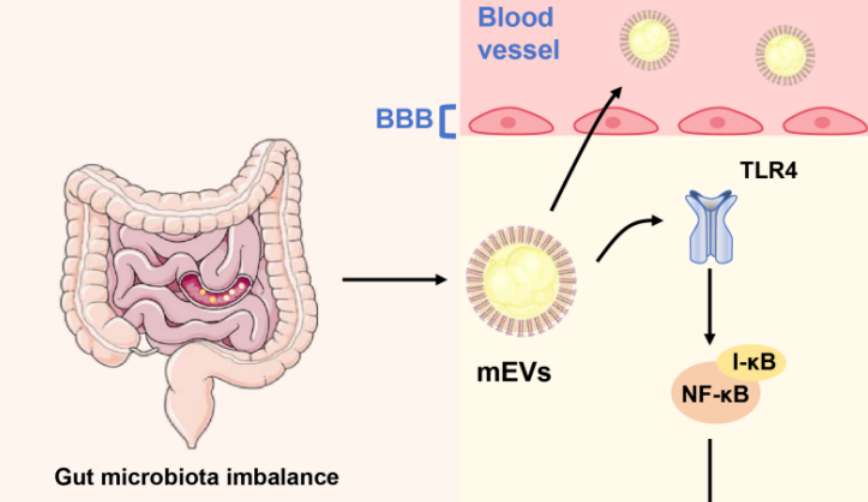
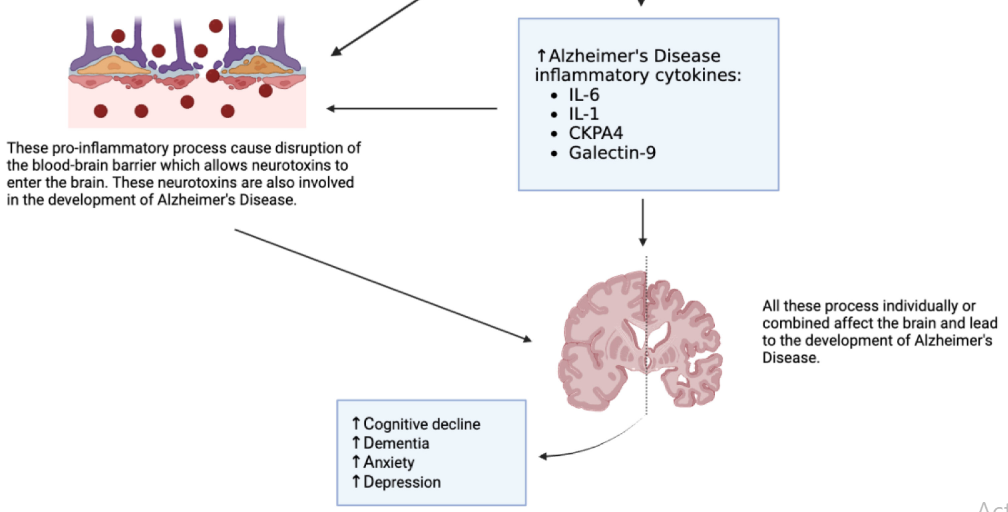
Yuan R, Liu F, Yu J. Gut microbiota-derived extracellular vesicles in Alzheimer's disease – immunomodulatory mechanisms, biomarkers, and therapeutic opportunities: a review. Biomol Biomed. 2026;26(7):1020–31. https://doi.org/10.17305/bb.2025.13213
Jun JE, Kim S, Jeong IK, Kim JH. Dementia risk in type 1 and 2 diabetes: a nationwide population-based comparison. Diabetes Obes Metab. 2026;28(6):4915–25. https://doi.org/10.1111/dom.70677
Chun H, Lee HW, Hong SB, Ha SS, Yoon KJ. Home-based transcranial photobiomodulation improves cognitive function in mild cognitive impairment due to Alzheimer's disease: a randomized, double-blind, placebo-controlled confirmatory trial. J Alzheimers Dis. 2026;111(4):1699–707. https://doi.org/10.1177/13872877261443973
Dong Y, Wang S, Liu X, Wang Y, Song Y, Wang Y. Transcranial near-infrared therapy restores synaptic resilience by reshaping signaling landscapes in sleep-deprived tauopathy. Neurotherapeutics. 2026;23(1):e00780. https://doi.org/10.1016/j.neurot.2025.e00780
Rashidi-Ranjbar N, Churchill NW, Jerkic M, Zomorrodi R, Rotstein O, Schneider R, et al. A multimodal evaluation of transcranial photobiomodulation in mild cognitive impairment: cognitive, metabolic, and neuroimaging outcomes of a pilot randomized controlled trial. J Alzheimers Dis. 2026;112(3):1445–58. https://doi.org/10.1177/13872877261453911
Barbagallo M, Dominguez LJ. Type 2 diabetes mellitus and Alzheimer's disease. World J Diabetes. 2014;5(6):889–93. https://doi.org/10.4239/wjd.v5.i6.889
Corcoran E, Kettlety M, Mogul U, Azah JN, Cork SC. The effects of GLP-1 receptor agonists on Alzheimer's pathophysiology: a systematic review. Mol Cell Neurosci. 2026;137:104091. https://doi.org/10.1016/j.mcn.2026.104091
Nasir AB, Kilani Y, Aldiabat M, Abdelghany O, Hafez Y, Desai N, et al. Antidiabetic medications and risk of cognitive disorders in type 2 diabetes: a retrospective cohort study. PLoS One. 2026;21(8):e0356138. https://doi.org/10.1371/journal.pone.0356138
O'Mara A, Mody BP, Mammi M, Simjian T, Ghattas K, Kaliki S, et al. The effect of GLP-1 receptor agonists on cognition in nondiabetic patients with mild cognitive impairment or Alzheimer's disease: a meta-analysis of randomized controlled trials. Neurol Sci. 2026;47(1):149. https://doi.org/10.1007/s10072-025-08602-z
Gao C, Geneve IC, Rodriguez-Gonzalez S, Li C, McElhern K, Reitman ML, et al. Semaglutide drives weight loss through cAMP-dependent mechanisms in GLP1R-expressing hindbrain neurons. Nat Metab. 2026;8(6):1330–49. https://doi.org/10.1038/s42255-026-01534-8
Song D, Zou X, Ma D, Zhao Y, Liu T, Shen B, Cheng O. The GLP1R agonist semaglutide inhibits reactive astrocytes and enhances the efficacy of neural stem cell transplantation therapy in Parkinson's disease mice. Adv Sci (Weinh). 2025;12(43):e17664. https://doi.org/10.1002/advs.202417664
Yip JMX, Chiang GSH, Lee ICJ, Lehming-Teo R, Dai K, Dongol L, et al. Mitochondria and the repurposing of diabetes drugs for off-label health benefits. Int J Mol Sci. 2025;26(1):364. https://doi.org/10.3390/ijms26010364
Greenblatt ZL, Tork A, Cruz I, Fausak ED, Tran HA, Krovidy M, et al. Direct effects of glucagon-like peptide-1 receptor agonists on mitochondrial function in human-derived in vitro models: a systematic review and meta-analysis. Metabol Open. 2026;31:100484. https://doi.org/10.1016/j.metop.2026.100484
de Santana Nunes AK, Rapôso C, Björklund U, da Cruz-Höfling MA, Peixoto CA, Hansson E. Sildenafil (Viagra(®)) prevents and restores LPS-induced inflammation in astrocytes. Neurosci Lett. 2016;630:59–65. https://doi.org/10.1016/j.neulet.2016.07.029
Jibril TI, Alzoubi KH, Mhaidat NM, Khabour OF, Alqudah MAY, Rababa'h AM, et al. Sildenafil prevents chronic psychosocial stress-induced working memory impairment: role of brain-derived neurotrophic factor. Curr Res Pharmacol Drug Discov. 2024;6:100182. https://doi.org/10.1016/j.crphar.2024.100182
Sanders O. Sildenafil for the treatment of Alzheimer's disease: a systematic review. J Alzheimers Dis Rep. 2020;4(1):91–106. https://doi.org/10.3233/ADR-200166
Bombarda G, Sabino JP, Silva CA, Fazan R Jr, Salgado MC, Salgado HC. Role of cGMP and cAMP in the hemodynamic response to intrathecal sildenafil administration. Clinics (Sao Paulo). 2011;66(8):1407–12. https://doi.org/10.1590/S1807-59322011000800017
Chen XM, Wang NN, Zhang TY, Wang F, Wu CF, Yang JY. Neuroprotection by sildenafil: neuronal networks potentiation in acute experimental stroke. CNS Neurosci Ther. 2014;20(1):40–9. https://doi.org/10.1111/cns.12162
Pușcașu C, Zanfirescu A, Negreș S, Șeremet OC. Exploring the multifaceted potential of sildenafil in medicine. Medicina (Kaunas). 2023;59(12):2190. https://doi.org/10.3390/medicina59122190
Son Y, Kim K, Cho HR. Sildenafil protects neuronal cells from mitochondrial toxicity induced by β-amyloid peptide via ATP-sensitive K+ channels. Biochem Biophys Res Commun. 2018;500(2):504–10. https://doi.org/10.1016/j.bbrc.2018.04.128
Al-Kuraishy HM, Alsaidan AA, Al-Gareeb AI, Alexiou A, Papadakis M, Batiha GE. Sildenafil and depression: true or false prophecy. CNS Neurosci Ther. 2023;29(10):3108–9. https://doi.org/10.1111/cns.14358
Rahimian R, Khoshneviszadeh M, Bahremand T, Zirak MR, Dehpour AR, Mousavizadeh K. Oxytocinergic system mediates the proconvulsant effects of sildenafil: the role of calcineurin. Horm Behav. 2020;122:104753. https://doi.org/10.1016/j.yhbeh.2020.104753
Das A, Durrant D, Mitchell C, Dent P, Batra SK, Kukreja RC. Sildenafil (Viagra) sensitizes prostate cancer cells to doxorubicin-mediated apoptosis through CD95. Oncotarget. 2016;7(4):4399–413. https://doi.org/10.18632/oncotarget.6749
Gohel D, Zhang P, Gupta AK, Li Y, Chiang CW, Li L, et al. Sildenafil as a candidate drug for Alzheimer's disease: real-world patient data observation and mechanistic observations from patient-induced pluripotent stem cell-derived neurons. J Alzheimers Dis. 2024;98(2):643–57. https://doi.org/10.3233/JAD-231391
Chua WY, Lim LKE, Wang JJD, Mai AS, Chan LL, Tan EK. Sildenafil and risk of Alzheimer disease: a systematic review and meta-analysis. Aging (Albany NY). 2025;17(3):726–39. https://doi.org/10.18632/aging.206222
Alcalde-Herraiz M, Woolf B, Xie J, Anderson E, Gill D, Tzoulaki I, et al. Phosphodiesterase-5 inhibition and Alzheimer's disease risk: a Mendelian randomisation study. Aging Cell. 2025;24(12):e70265. https://doi.org/10.1111/acel.70265
Article files
Publication details
- Citation
- Advance online
- Language
- EN
- License
- CC BY 4.0
- Section
- Review
- Categories
- Reviews, Pharmacology, Neurology and Neuroscience
How to cite (Vancouver)
Anderson G. Ketamine and psychedelics: A path to Alzheimer’s disease prevention?. Biomol Biomed. 2026. https://doi.org/10.17305/bb.2026.15061